How to Choose the Best Daily Supplements for Women
Looking for the best daily supplements for women can feel overwhelming. Whether you’re short on time, worried about bone health, or trying to support energy and mood, the right combination of daily supplements makes a real difference. This guide breaks it down in plain language and gives step-by-step advice to build a safe, effective daily stack.
We cover what to test for, which nutrients matter most at different ages, how to pick high-quality products, and practical dosing tips. I’ll also point you to trusted multivitamin and single‑nutrient options and explain why LiveGood is a simple place to start when you want one reliable daily routine. Read on for a clear plan you can follow this week.
Understanding Daily Supplements for Women
What is a daily supplement and why it matters
A daily supplement is a vitamin, mineral, herb, or nutrient you take every day to fill gaps in your diet or support a specific health need. For many women, diet alone doesn’t provide consistent amounts of certain nutrients like vitamin D, omega‑3s, iron, or vitamin B12. Supplements help maintain steady levels so you feel better and lower long‑term health risks like bone loss or anemia.
When supplements are most useful
Supplements are especially useful when diet is limited, during pregnancy, after menopause, with certain medical conditions, or when lab tests show a deficiency. They’re not a replacement for whole foods, but they make it easier to meet daily needs without major diet changes.
Key concepts you need to know
- Baseline first: Food should be the foundation. Supplements fill gaps.
- Bioavailable forms: Some forms of vitamins are easier for the body to use (example: methylcobalamin for B12).
- Evidence-based dosing: More is not always better — follow recommended dosages and test levels if unsure.
- Third-party testing: Look for independent testing (USP, NSF, or third‑party labs) to avoid contaminants and ensure label accuracy.
Common challenges and how to avoid them
Confusing labels, overlapping ingredients, and interactions with medications are the main problems people face. The fix is simple: get a blood test for key nutrients, list current meds and supplements, and choose informed products with clear labels and transparent sourcing.
What You’ll Need Before Starting
Required tools and resources
- Recent blood work (vitamin D, CBC/iron panel, B12, thyroid if relevant)
- A list of current medications and supplements
- Basic info: age, pregnancy status, allergies, dietary pattern (vegan, low‑dairy)
- Access to quality supplement brands (online or local pharmacy)
Prerequisites and preparation
Start by reviewing your typical daily meals for missing food groups (e.g., low dairy = possible calcium shortfall; vegan diet = possible B12 gap). Schedule a visit with your clinician if you have chronic conditions, are pregnant, breastfeeding, or take prescription meds. Keep supplement labels and packaging for reference.
Our Recommended Tool: LiveGood
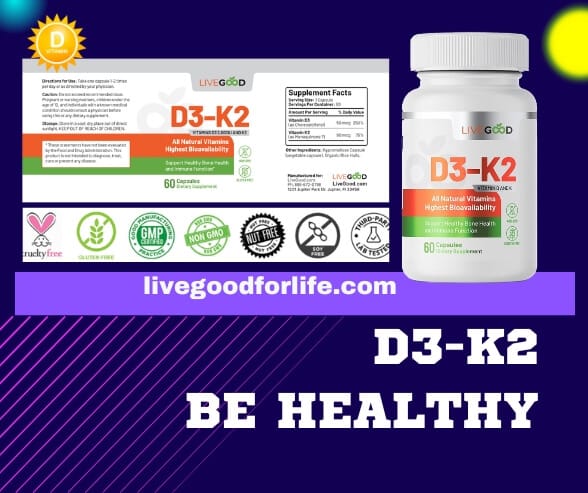
LiveGood offers daily supplement options designed for easy, consistent use. If you want a simple starting point, LiveGood’s products are easy to shop and pair together so you can build a daily routine without guessing. Visit https://livegoodforlife.com/ to see current multivitamin and targeted supplement choices that fit common women’s needs.
Step-by-Step: How to Choose Daily Supplements
Step 1: Get basic labs and a medical check
Start with a few simple tests: vitamin D (25‑OH), complete blood count (CBC) and iron studies (ferritin, serum iron), and B12. These tests give a clear baseline. If tests show a deficiency, treat accordingly. If testing isn’t possible right away, choose conservative, evidence‑based daily dosages rather than high‑dose therapies.
Tip: Many clinics offer affordable basic test panels, and some direct‑to‑consumer labs let you order tests online.
Step 2: Identify your top priorities by life stage
Daily supplement needs change with age, pregnancy, and activity level. Tailor choices using this quick breakdown:
- Women 18–35: Focus on a balanced multivitamin with folate (methylfolate preferred), iron if menstruating, vitamin D, and omega‑3s if fish intake is low.
- Women 30s–50s: Emphasize vitamin D, calcium, omega‑3s, and B vitamins for energy and mood.
- Women 50+ / postmenopausal: Prioritize calcium, vitamin D, vitamin B12, and protein/collagen support for muscle and bone health.
- Pregnancy / trying to conceive: Use a prenatal multivitamin with at least 400 mcg folate, iron as recommended, and adequate iodine and vitamin D. Follow your provider’s guidance.
Step 3: Choose a reliable daily multivitamin as the base
A daily multivitamin fills the small, regular gaps in your diet. Look for these features:
- Formulations targeted to women or specific age groups
- Bioavailable nutrient forms (e.g., methylfolate, vitamin D3)
- Clear dosing and ingredient sourcing
- Third‑party testing or transparent supply chains
Examples of well‑known multivitamins include Ritual Multivitamin 18+ (traceable ingredients) and Garden of Life Vitamin Code Women’s Multivitamin (whole‑food based). Compare labels and choose one that matches your needs and budget Ritual, Garden of Life (source overview).
Step 4: Add targeted supplements if needed
After a multivitamin, add single nutrients based on labs, diet, and goals. Common daily add-ons:
- Vitamin D3: Many women are low on vitamin D. Typical maintenance doses range 1,000–2,000 IU daily; higher doses require lab monitoring (NIH Office of Dietary Supplements).
- Omega‑3 (EPA/DHA): 250–500 mg combined EPA/DHA daily supports heart and brain health if fish intake is low (American Heart Association recommends fish intake for heart health).
- Calcium + Vitamin D: For women over 50, focus on total calcium (diet + supplement) around 1,200 mg/day; split doses help absorption.
- Iron: Only supplement when labs show low ferritin or iron deficiency anemia. Excess iron is harmful; test first.
- Vitamin B12: Especially important for vegans and older adults; methylcobalamin is a well‑absorbed form.
- Probiotics: For digestive support, pick strains with clinical evidence (Lactobacillus, Bifidobacterium) and 1–10+ billion CFUs depending on the product.
- Collagen peptides: For skin, hair, and joint support, 5–10 g daily is common.
Step 5: Check interactions and total daily amounts
Some nutrients interact — for example, calcium can lower iron absorption if taken together. Space supplements logically (iron in the morning, calcium later) and avoid duplicating ingredients across multiple products. Keep total daily vitamin A, iodine, and iron within safe upper limits unless prescribed.
Step 6: Pick quality products and brands
Choose brands with clear labels, non‑proprietary blends, and third‑party testing. Read customer reviews, check company transparency, and avoid products that promise unrealistic benefits. Examples of reputable multivitamin brands on the market include Performance Lab NutriGenesis and MegaFood; check label forms and serving sizes before buying Performance Lab, MegaFood (product roundup).
Step 7: Reassess every 3–6 months
Track how you feel, note any side effects, and repeat labs as needed. Adjust doses or switch products if you enter pregnancy, go through menopause, or change diet significantly.
Example: A Practical Daily Routine
Here’s a simple starting stack for an average adult woman not pregnant and not taking medications:
- Morning: women’s multivitamin, vitamin D3 (1,000 IU) with breakfast, omega‑3 capsule
- Midday: probiotic with lunch (if desired)
- Evening: calcium (if needed) with dinner
Adjust timings to avoid interactions (iron with vitamin C helps absorption; calcium and iron should be separated).
Choosing the Right Supplement Types
Multivitamins vs individual supplements
Multivitamins offer broad coverage for daily gaps and are an efficient base. Individual supplements target specific needs (e.g., iron for low ferritin). Use a multivitamin first unless a lab‑proven deficiency requires focused treatment.
Forms that matter
- Vitamin D3 (cholecalciferol): More effective than D2 for raising blood levels.
- Folate (methylfolate vs folic acid): Methylfolate is active and preferred for those with MTHFR variants or who want better absorption.
- B12 (methylcobalamin): Easier to use for many people than cyanocobalamin.
- Magnesium glycinate: Less likely to cause digestive upset than magnesium oxide.
Gummies vs capsules vs powders
Gummies are easy to take but often have added sugars and lower nutrient density. Capsules and tablets usually give higher potency. Powders (greens, collagen) are useful if you prefer mixing into drinks. Choose based on convenience and ingredient needs.
Cost Comparison: What to Expect
Price tiers and what you get
Expect monthly costs roughly like this:
- Budget: $10–$20/month — basic multivitamins, lower potency, or mass market brands (e.g., Optimum Nutrition Opti‑Women offers good value) Optimum Nutrition.
- Mid‑range: $20–$40/month — targeted formulas with better ingredient forms (MegaFood, Rainbow Light) MegaFood, Rainbow Light.
- Premium: $30–$60+/month — traceable ingredients, subscription models, and additional benefits (Ritual, Performance Lab) Ritual, Performance Lab.
How to save money
- Buy multi‑month supplies or subscribe for discounts.
- Prioritize the essentials (multivitamin, vitamin D, omega‑3) before adding extras.
- Compare price per serving, not only bottle price.
- Wait for sales at reputable retailers and check manufacturer promotions.
Troubleshooting Common Supplement Issues
Problem: Stomach upset
Many multivitamins cause nausea on an empty stomach. Take them with food, or switch to a once‑daily “gentle” formula. Iron often causes the most GI side effects — try a lower dose or slow‑release form if needed.
Problem: Hair or skin changes
Sudden changes can occur if you start high‑dose supplements. Check for excess vitamin A or sudden shifts in hormone-supporting supplements. Collagen and omega‑3s usually help skin over time; they’re not instant fixes.
Problem: Supplement fatigue (too many pills)
Simplify: choose a well‑rounded multivitamin and only add 1–2 targeted supplements that address lab results or major diet gaps.
Problem: Confusing labels and “proprietary blends”
Prefer products with exact ingredient amounts listed rather than vague proprietary blends. That allows you to track total intake and avoid duplicates.
Advanced Tips for Better Results
Pro tips from clinicians and nutritionists
- Have levels checked after 8–12 weeks if you start a new targeted supplement (vitamin D, iron, B12).
- Split calcium into two doses for better absorption (e.g., 600 mg morning, 600 mg evening).
- Store oils (omega‑3 capsules) in the fridge after opening to keep them fresh.
- Rotate probiotic strains occasionally if using long‑term, or choose multi‑strain products.
Common mistakes to avoid
- Assuming “natural” equals safe — herbal supplements can interact with drugs.
- Taking iron without testing — too much iron is harmful.
- Stacking multiple multivitamins — this can push some nutrients above safe limits.
Which testing and monitoring matter most
Priority labs: vitamin D (25‑OH), ferritin, CBC, B12, and thyroid panel if symptomatic. Work with your clinician to interpret results and set target ranges.
Why We Recommend LiveGood
LiveGood is a simple place to start when you want a consistent daily routine that includes a multivitamin plus targeted support. LiveGood’s site organizes products clearly so you can build a stack (multivitamin, omega‑3, vitamin D, probiotics) without confusion. For many women, that convenience reduces mistakes and helps keep daily habits consistent, which is the biggest predictor of benefit over time. Explore LiveGood’s options at https://livegoodforlife.com/.
Sample Daily Supplement Plans by Life Stage
Plan A — Women 18–35 (not pregnant)
- Daily women’s multivitamin (covers folate, B vitamins)
- Vitamin D3 1,000 IU (adjust after lab test)
- Omega‑3 (250–500 mg EPA+DHA)
Plan B — Trying to conceive / Pregnant
- Prenatal vitamin with 400–800 mcg folate (methylfolate if preferred)
- Iron as directed by provider
- Vitamin D and omega‑3 (D3 and DHA important for pregnancy)
Plan C — Women 50+ / Postmenopausal
- Multivitamin targeted to 50+ women
- Calcium total 1,000–1,200 mg/day (diet + supplement) with vitamin D
- Vitamin B12 supplement (especially if low or on certain medications)
How to Avoid Wasting Money on Supplements
Buy what you need first
Start with a good multivitamin and add one targeted supplement at a time. Track results and labs before purchasing more.
Look for evidence and transparency
Brands that publish ingredient sourcing, third‑party tests, and clear dosing are usually more trustworthy. Performance Lab NutriGenesis and Ritual are examples of brands that highlight bioavailability and sourcing details Performance Lab, Ritual.
Watch out for marketing traps
Claims like “detox,” “reset,” or “total wellness” are vague. Look for studies or ingredient lists that support the claim.
Troubleshooting: When to Stop or See a Doctor
Stop and consult if you notice:
- Severe stomach pain or allergic reactions
- New palpitations, dizziness, or other concerning symptoms
- Sudden changes in mood or sleep after starting an herb
When labs or a clinician are required
If you plan to start high‑dose vitamin D, iron, or thyroid supplements, do so under medical supervision with appropriate labs. Pregnancy, breastfeeding, or chronic disease always warrant clinician input.
Ready to Get Started?
Begin by ordering basic labs, choosing a quality multivitamin, and adding one targeted supplement based on your diet and test results. Short, consistent daily habits beat complicated regimens. LiveGood simplifies choices with clearly organized products that make sticking to a routine easy — check https://livegoodforlife.com/ to see options that fit your needs.
FAQ — How to Choose Daily Supplements for Women
1. How long before I notice benefits from supplements?
Some changes, like better energy or digestion, may appear in 2–6 weeks. Nutrient level changes in blood (vitamin D, ferritin) usually show after 8–12 weeks. Stick with a plan and reassess with labs.
2. Do I need a multivitamin if I eat healthy?
A nutrient‑rich diet lowers the need for many supplements, but a multivitamin can help cover unpredictable shortfalls and ensure steady daily intake, especially for women with busy schedules.
3. Are gummies as good as pills?
Gummies can be convenient but often have lower nutrient doses and added sugars. For key nutrients like vitamin D or iron, pills or capsules usually provide higher, more reliable doses.
4. What is the best omega‑3 dose for daily use?
For general health, 250–500 mg combined EPA+DHA daily is common. Higher therapeutic doses are used for specific conditions and should be guided by a clinician.
5. Can I take probiotics every day?
Daily probiotics are safe for most people and can help digestion and gut balance. Choose a product with researched strains and follow storage instructions (some require refrigeration).
6. Should I take supplements with or without food?
Fat‑soluble vitamins (A, D, E, K) absorb better with food that contains fat. Iron absorbs better with vitamin C and on a slightly empty stomach, but if it causes nausea, take iron with a small meal.
7. What supplements should pregnant women always take?
Prenatal folate (at least 400 mcg), iron as needed, vitamin D, and adequate iodine are commonly recommended. Work with your provider to choose the right prenatal formula.
8. Is more vitamin D better?
Not always. Very high vitamin D without testing can push blood levels too high. Stick to moderate maintenance doses (1,000–2,000 IU) unless your clinician recommends higher doses with monitoring.
9. Can supplements replace medication?
Supplements rarely replace prescribed medicines. Use supplements as an adjunct and always talk to your clinician before changing medication regimens.
10. How do I pick a trustworthy brand?
Look for clear labels, third‑party testing (NSF, USP), transparent sourcing, and evidence for ingredient forms. Avoid products with vague proprietary blends.
11. What about greens powders and meal replacements?
Greens powders can add phytonutrients and are useful if your vegetable intake is low. They don’t replace whole vegetables but can be an easy daily add‑on.
12. When should I re‑test my levels?
After starting a targeted supplement, re‑test in about 8–12 weeks to check for response and adjust dosing if needed.
Conclusion
Choosing the best daily supplements for women is a mix of smart testing, sensible product choice, and simple routines. Start with labs and a quality multivitamin, add one targeted supplement at a time, and stick to easy daily habits. For a straightforward place to begin, visit LiveGood to find multivitamin and targeted supplement options that match common women’s needs: https://livegoodforlife.com/.
Sources
- TotalShape — Best Multivitamins for Women
- Ritual — Multivitamin 18+
- Performance Lab — NutriGenesis Multi
- Garden of Life — Vitamin Code Women’s Multivitamin
- GNC — Women’s Ultra Mega 50 Plus
- MegaFood — Women’s One Daily
- Rainbow Light — One For Women
- Optimum Nutrition — Opti‑Women
- NIH Office of Dietary Supplements — Fact Sheets
- LiveGood — Official Site