Ultra Magnesium Guide: Uses, Food Sources, Safety & Label Tips
Ultra Magnesium: The Simple Version
Magnesium is an essential mineral that supports many normal body functions. It contributes to normal muscle function, normal nervous system function, electrolyte balance, normal energy metabolism, and the maintenance of normal bones and teeth.
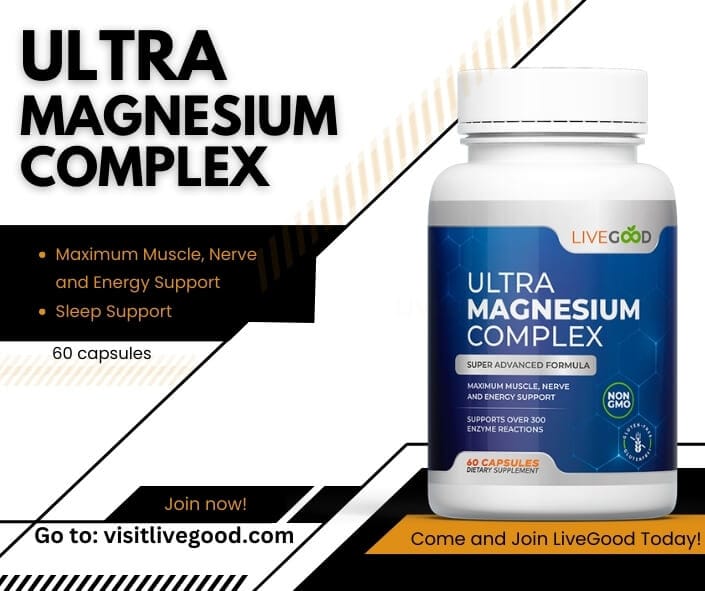
LiveGood Ultra Magnesium Complex may fit into a daily mineral-support routine for people who want a simple magnesium capsule. It is not meant to replace balanced meals, healthy habits, medication guidance, or professional care.
Affiliate disclosure: This page may contain affiliate links. If you purchase through my links, I may earn a commission at no extra cost to you.
Important disclaimer: This article is for educational purposes only and is not medical advice. Dietary supplements are not intended to diagnose, treat, cure, or prevent any disease. Check with a qualified professional before starting a supplement if you use medication, are pregnant or nursing, have kidney concerns, or have personal health questions.

Check Current LiveGood Ultra Magnesium Details
Why Magnesium Matters
Magnesium is involved in normal muscle, nerve, bone, and energy processes. Many people first learn about magnesium because they are reviewing their food intake, comparing mineral supplements, or building a simple daily wellness routine.
A magnesium supplement can be helpful for some people, but it should not be used as a treatment for sleep problems, stress, anxiety, cramps, blood pressure, heart problems, fatigue, headaches, or mood concerns.
What Magnesium Supports
| Support area | Simple explanation | What to remember |
|---|---|---|
| Muscles | Magnesium contributes to normal muscle function | Not a treatment for cramps or pain |
| Nervous system | Magnesium contributes to normal nervous system function | Not a treatment for stress, anxiety, or mood concerns |
| Energy | Magnesium contributes to normal energy metabolism | Not meant to treat fatigue |
| Electrolytes | Magnesium contributes to electrolyte balance | Compare labels if you use electrolyte powders |
| Bones and teeth | Magnesium contributes to the maintenance of normal bones and teeth | Bone health depends on many nutrients and habits |
Magnesium Forms in Ultra Magnesium
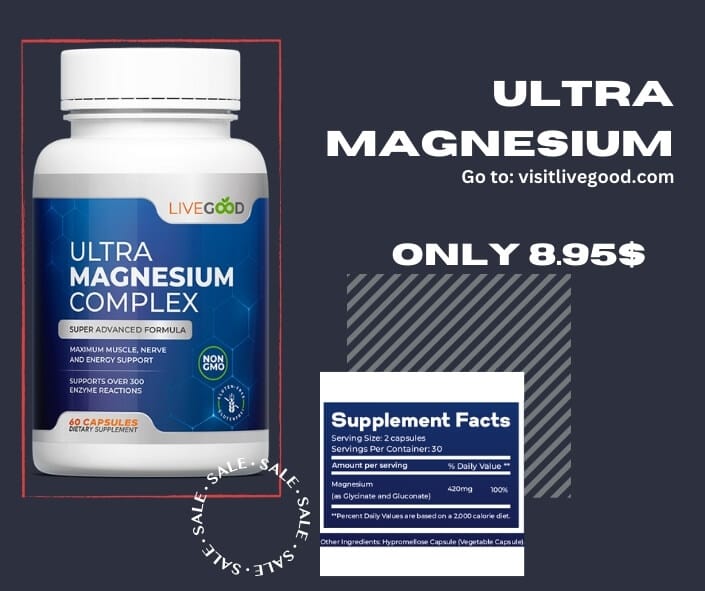
LiveGood Ultra Magnesium Complex has used magnesium glycinate and magnesium gluconate. These are two common forms people compare when looking for a daily magnesium supplement. Check the current label before ordering because formulas and serving sizes can change.
| Form | Simple explanation | How to think about it |
|---|---|---|
| Magnesium glycinate | Magnesium bound to glycine | Often chosen by people comparing gentler magnesium options |
| Magnesium gluconate | Magnesium bound to gluconic acid | A common form used in daily magnesium products |
| Other forms | Magnesium citrate, oxide, malate, and others are also available | Tolerance and fit can vary by person |

View LiveGood Ultra Magnesium Product Page
Food Sources of Magnesium
Food comes first when building a mineral-rich routine. Magnesium is found in many everyday foods, especially plant foods.
| Food group | Examples | Simple note |
|---|---|---|
| Nuts and seeds | Pumpkin seeds, almonds, cashews, sunflower seeds | Easy to add to snacks or meals |
| Beans and legumes | Black beans, lentils, chickpeas | Also provide fiber and plant protein |
| Leafy greens | Spinach, Swiss chard, kale | Useful in salads, smoothies, and cooked meals |
| Whole grains | Oats, brown rice, quinoa | Can support a more balanced plate |
| Other foods | Dark chocolate, avocado, bananas | Amounts vary by serving size |
How to Use Ultra Magnesium
Follow the current product label. Some people prefer taking magnesium with food if they are sensitive to supplements. Do not increase the serving size to chase stronger or faster results.
Magnesium may need to be spaced away from certain medications and minerals. Ask a pharmacist or qualified healthcare professional how to time magnesium if you take prescriptions or use calcium, iron, or zinc supplements.

Who Should Check First?
| Check first if | Why it matters |
|---|---|
| You have kidney concerns | Magnesium intake may need professional guidance |
| You use prescription medication | Timing and suitability can matter |
| You are pregnant or nursing | Personal guidance is important |
| You already take magnesium, electrolytes, calcium, iron, or zinc | Helps avoid overlap and timing issues |
| You are buying for a child or teenager | Age-appropriate guidance matters |
What to Check on the Label
| Label detail | Why it matters |
|---|---|
| Magnesium amount | Helps compare your total daily intake |
| Magnesium forms | Different forms may feel different for digestion |
| Serving size | Helps estimate cost and routine fit |
| Other ingredients | Useful if you avoid certain fillers or capsules |
| Warnings | Important if you use medication or manage a health concern |
| Current price | Prices, shipping, and membership terms can change |

Check Current Ultra Magnesium Price
Simple Routine Tips
Magnesium works best as part of a balanced routine. That means eating mineral-rich foods, drinking enough water, moving your body, getting regular sleep, and checking with a professional when you have personal health questions.
| Routine area | Simple tip |
|---|---|
| Meals | Add nuts, seeds, beans, leafy greens, or whole grains when you can |
| Hydration | Keep water intake steady throughout the day |
| Movement | Walking, stretching, and resistance training can support overall wellness |
| Supplements | Add one new product at a time so you can notice how it fits |
| Medication timing | Ask how far apart to take magnesium from prescriptions or minerals |

Common Questions About Magnesium
What is magnesium used for?
Magnesium is an essential mineral. It contributes to normal muscle function, nervous system function, electrolyte balance, normal energy metabolism, and normal bones and teeth.
Can magnesium help with sleep, stress, or cramps?
Magnesium can be part of a daily wellness routine, but it should not be used to treat sleep problems, stress, anxiety, cramps, or symptoms. Speak with a qualified healthcare professional if these concerns are ongoing.
Can I take magnesium with medication?
Ask a pharmacist or qualified healthcare professional first. Magnesium may need to be spaced away from certain medications.
Is magnesium safe for everyone?
No supplement is right for everyone. Check first if you have kidney concerns, use medication, are pregnant or nursing, or have personal health questions.
Trusted Reading
For simple background reading on magnesium, these resources may help:
- NIH Office of Dietary Supplements: Magnesium Fact Sheet
- Harvard T.H. Chan School of Public Health: Magnesium
- Linus Pauling Institute: Magnesium
Final Thoughts
Ultra Magnesium Complex may be worth comparing if you want a simple magnesium capsule for a daily mineral-support routine. The best choice depends on your food intake, current supplements, medication use, kidney health, budget, and label preferences.
Before ordering, check the current label, serving size, magnesium amount, price, and safety notes. If you use medication, are pregnant or nursing, have kidney concerns, or have personal health questions, ask a qualified professional first.