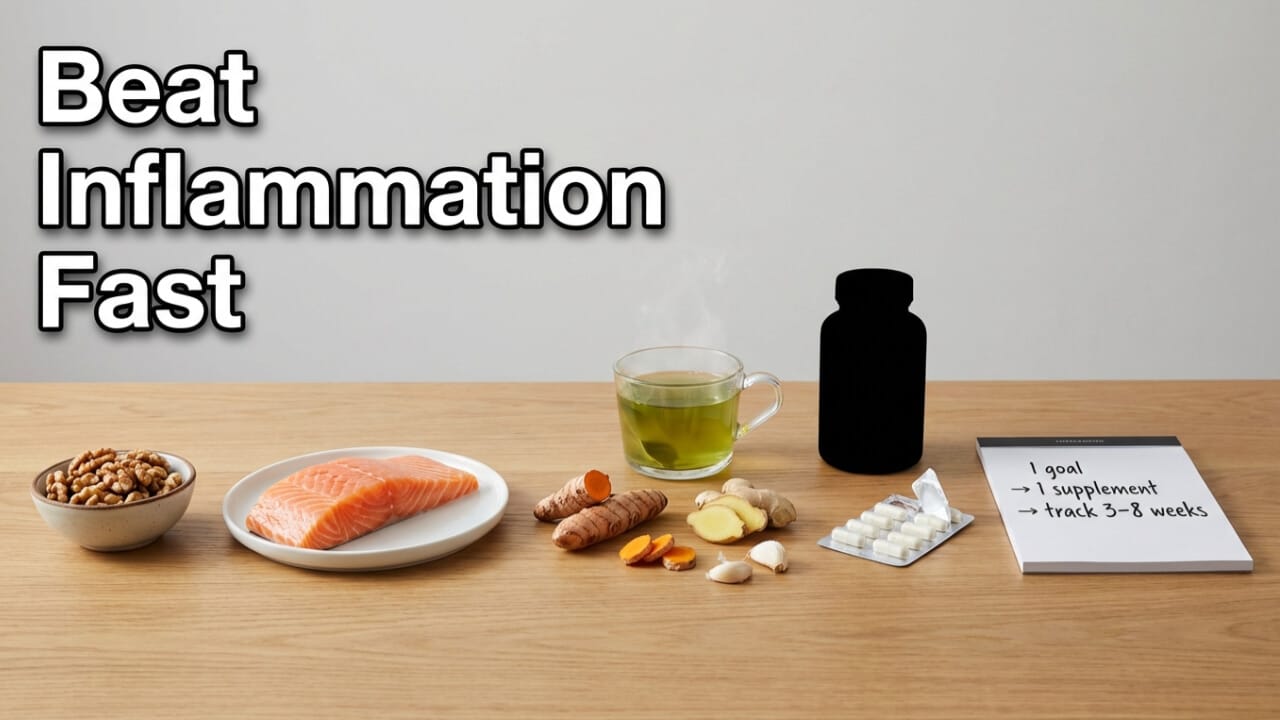
Top 12 Inflammation Support Supplements Backed by Research
⚡ Quick Answer
The 12 most commonly researched inflammation-support supplements are omega-3 EPA/DHA, curcumin, magnesium, probiotics, fiber, ginger, boswellia, vitamin D, CoQ10, green tea/EGCG, garlic, and collagen peptides. None treats or cures inflammation. Pick one goal, one supplement that fits it, and track one simple metric for 4–8 weeks.
📌 Key Facts at a Glance
- Omega-3 fatty acids (EPA and DHA) have some of the most extensive human trial data of any supplement category studied in relation to inflammation markers, including CRP and IL-6.
- Curcumin has poor bioavailability on its own. Most well-designed products pair it with piperine (black pepper extract) or use a lipid-based delivery system to improve how much the body actually absorbs.
- Magnesium is involved in over 300 enzymatic reactions in the body. Low dietary intake is common in people whose diets lean heavily on processed foods, and it’s one of the most frequently identified nutrient gaps.
- Probiotics are strain-specific. “Probiotics” is not one thing — different strains have been studied for different conditions, and the evidence does not apply across brands or products.
- Boswellia serrata works differently from most other botanicals on this list: it inhibits the 5-LOX enzyme, which is involved in leukotriene synthesis — a distinct pathway from the more commonly discussed COX pathway.
- CoQ10 levels naturally decrease with age and can also be reduced by statin medications, which is why it often shows up in cardiovascular wellness conversations alongside that medication class.
- Vitamin D deficiency is widespread and associated with elevated inflammatory markers in observational research, but repletion studies have produced more mixed results than the observational data would suggest.
- No supplement on this list has been approved by the FDA to treat, diagnose, cure, or prevent inflammation or any related disease.
Top 12 Inflammation Support Supplements: A Buyer’s Guide
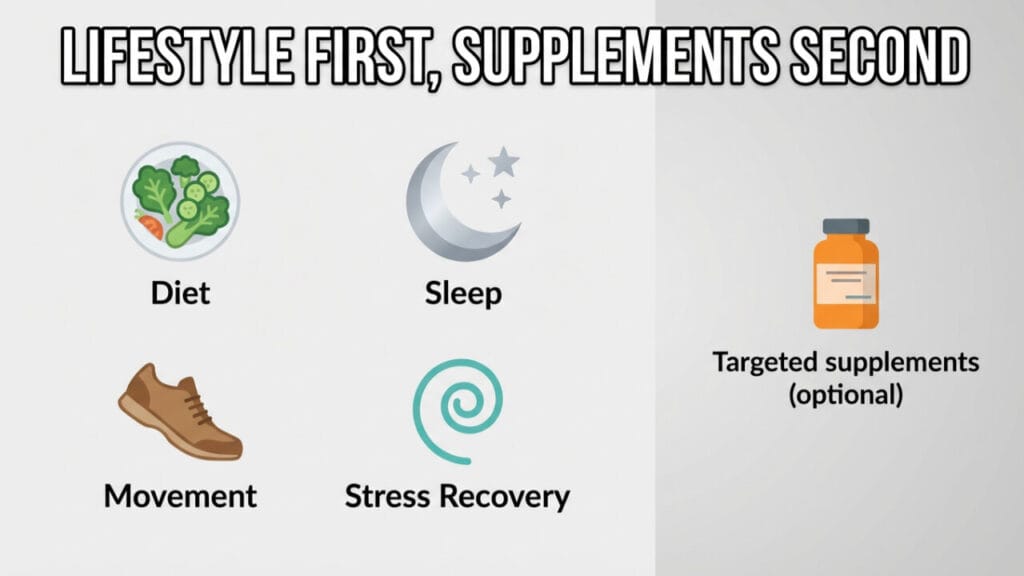
Many people search for anti-inflammatory supplements when they are comparing options for joint comfort, gut routine, recovery, sleep patterns, or general wellness. The important thing is to keep expectations realistic: supplements are not treatments, and they should not replace medical care, diagnosis, medication, food quality, sleep, movement, or stress recovery.
This guide keeps the original Top 12 supplement examples, but frames them as a safer buyer guide. The goal is to help you compare labels, understand common use cases, check safety cautions, avoid overbuying, and choose one supplement at a time when it makes sense for your routine.
Last updated: April 2026
Written by Daniel Popa, founder of LiveGoodForLife.com. This content is for educational purposes only and is not medical advice.
Quick Answer: Which Supplements Are Commonly Researched?
The most useful answer depends on the goal you are comparing. Instead of buying many products at once, pick one goal, choose one supplement category, and track one simple metric long enough to see whether the routine fits you.
Joints and recovery routine: omega-3, curcumin, boswellia, collagen peptides
Gut routine: probiotics, fiber or prebiotic fiber, ginger
Stress and sleep pattern support: magnesium
Lab-guided nutrient support: vitamin D
Cardio-metabolic wellness interest: CoQ10, green tea or EGCG, garlic
Start with the foundation first: Chronic inflammation: symptoms, causes & how to reduce it.
If you want help comparing supplement labels, quality, dosing logic, testing, and COAs, see the Supplements Guide and LiveGood Certificates of Analysis.
How to Choose Without Overbuying
The fastest way to waste money is buying six to ten products at once. A better approach is simple: match one supplement to one goal, then track one simple marker for a few weeks so you can judge whether the product fits your routine.
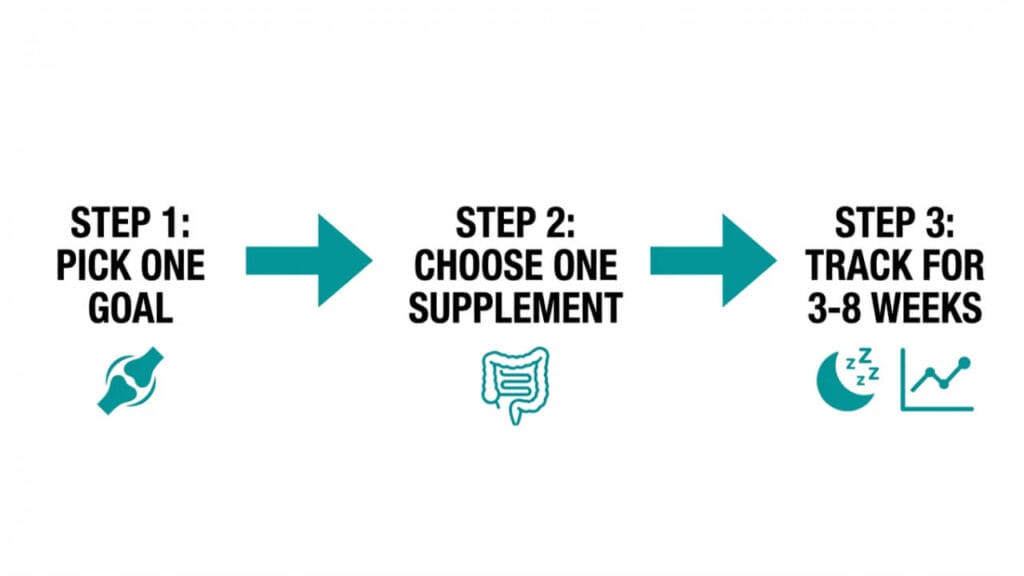
The 3-step buyer test
- Pick one goal: joint routine, gut routine, stress/sleep pattern, recovery, or general wellness.
- Pick one supplement: choose one option that matches your goal and safety profile.
- Track one simple metric: morning stiffness minutes, bloating score, sleep quality, or soreness after activity.
Quality check tip: prioritize clear labels, transparent dosing, and testing disclosures when available. For more detail, see: How to read supplement labels and avoid fairy dusting and COAs, batches & what to check.
What Inflammation Support Supplements Can and Cannot Do
Supplements may support a wellness routine in specific contexts, but they do not diagnose, treat, cure, or prevent inflammation-related diseases. Think of supplements as optional support tools that work best when the basics are already being addressed.
- Food quality: more fiber-rich plants and healthy fats; fewer ultra-processed foods and sugary drinks
- Sleep consistency: stable bedtime and wake time when possible
- Movement: walking and basic strength work as tolerated
- Stress recovery: small daily downshifts such as walking, breathwork, journaling, or stretching
Helpful external references: Harvard T.H. Chan anti-inflammatory diet overview, WHO physical activity guidance, and Cleveland Clinic inflammation overview.
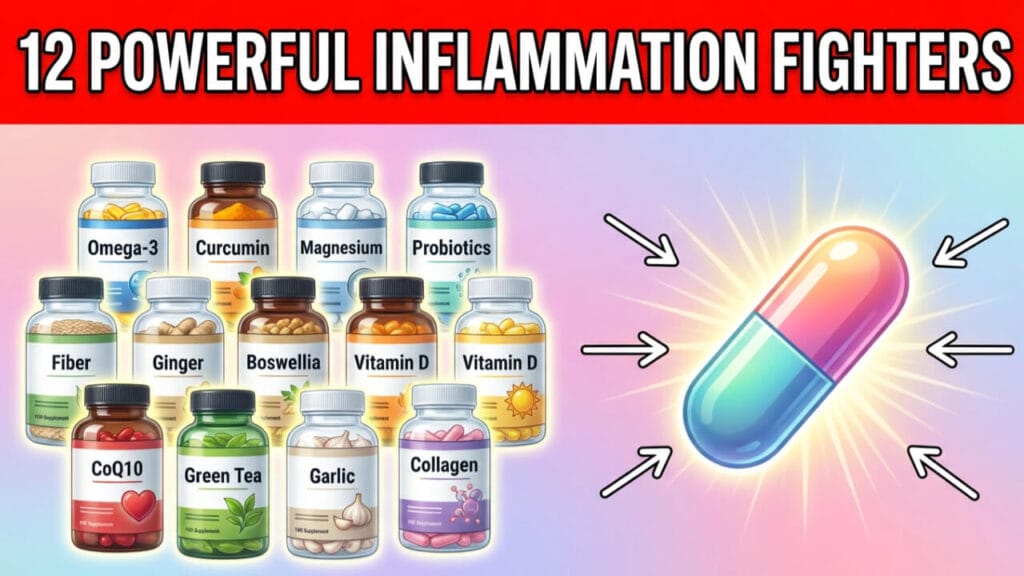
Top 12 Inflammation Support Supplements Backed by Research
This list keeps the 12 examples readers came for. The wording is intentionally careful: these are supplement categories commonly researched or commonly compared for inflammation-support routines. They are not cures or guaranteed solutions.
1) Omega-3 EPA/DHA
Best buyer fit: adults comparing joint-comfort, recovery, or general wellness supplements.
Omega-3 fatty acids are among the most widely researched supplement categories. When comparing products, check EPA and DHA amounts, serving size, fish source, freshness testing, third-party testing, and whether the product fits your medication routine.
- Track: morning stiffness minutes, soreness after activity, or recovery score
- Check first if: you take blood thinners, have bleeding concerns, have surgery planned, or use multiple supplements
Related guide: Omega-3 Fish Oil EPA/DHA guide. External reference: NIH ODS Omega-3 Fatty Acids fact sheet.
2) Curcumin / Turmeric Extract
Best buyer fit: adults comparing turmeric-style supplements for a joint or general wellness routine.
Curcumin is the researched compound people usually mean when they compare turmeric supplements. Plain turmeric powder and concentrated curcumin extracts are not the same, so label reading matters.
- Track: one metric such as stiffness minutes or activity comfort score
- Check first if: you take blood thinners, have gallbladder concerns, have reflux, are pregnant or nursing, or have surgery planned
Related guide: Turmeric & Curcumin: Benefits Explained. External reference: NCCIH Turmeric: Usefulness and Safety.
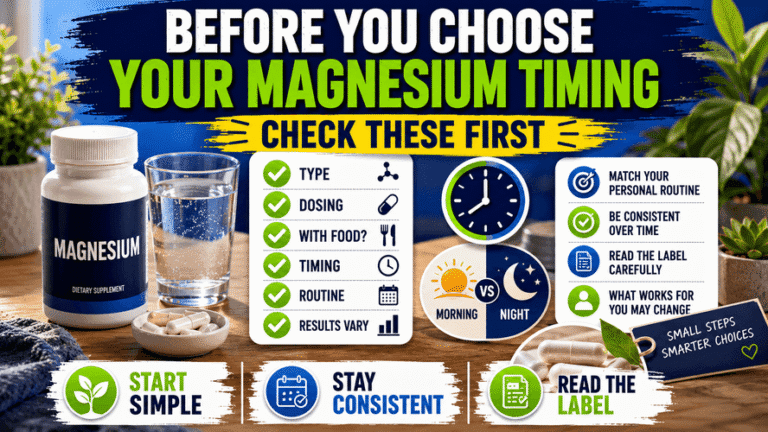
3) Magnesium
Best buyer fit: adults comparing sleep-pattern, stress-load, muscle-tension, or recovery-routine supplements.
Magnesium is not a treatment for inflammation. It is better viewed as a mineral that may fit into routines where sleep consistency, stress load, and muscle tension are part of the bigger picture.
- Track: sleep quality, next-day energy, or muscle tension score
- Check first if: you have kidney concerns, take medication, or are sensitive to loose stools from magnesium
Related guide: The Power of Magnesium Guide. Product page: LiveGood Ultra Magnesium.
4) Probiotics
Best buyer fit: adults comparing gut-routine supplements where bloating, regularity, or food tolerance are the main goals.
Probiotics are strain-specific, which means product quality and label detail matter. Look for strain names, CFU information, storage directions, and whether the product fits your health history.
- Track: bloating score, regularity, or food-related discomfort score
- Check first if: you are immunocompromised, medically complex, pregnant or nursing, or have serious GI disease
Related guide: Probiotic Gut Support guide. External reference: NCCIH Probiotics: Usefulness and Safety.
5) Fiber / Prebiotic Fiber
Best buyer fit: adults comparing gut routine, regularity, appetite routine, or diet-quality support.
Fiber is not flashy, but it is one of the most practical nutrition tools to compare. Start slowly, drink enough water, and avoid adding too much too fast.
- Track: regularity, bloating score, or daily fiber intake
- Check first if: you have bowel disease, swallowing issues, digestive obstruction history, or take medication that needs spacing away from fiber
Related guide: Organic Agave Inulin guide.
6) Ginger
Best buyer fit: adults comparing digestive-comfort or mild soreness-routine supplements.
Ginger is commonly used in food and supplement form. When comparing supplements, check dose, extract type, capsule count, and whether it fits your stomach tolerance.
- Track: digestive comfort, reflux tolerance, or soreness after activity
- Check first if: you have reflux, take blood thinners, have surgery planned, are pregnant or nursing, or have gallbladder concerns
7) Boswellia
Best buyer fit: adults comparing joint-comfort or mobility-routine supplements.
Boswellia is a common ingredient in joint-positioned formulas. Compare extract type, amount, other added ingredients, and safety cautions before ordering.
- Track: stairs, walking comfort, stiffness minutes, or activity comfort score
- Check first if: you take medication, are pregnant or nursing, have digestive sensitivity, or use multiple joint supplements
Product page: Osteo Complete Advanced Bone & Joint Support.
8) Vitamin D
Best buyer fit: adults comparing lab-guided vitamin D support.
Vitamin D is best viewed as a nutrient-status topic, not a general inflammation hack. Because vitamin D can accumulate, it is smart to use lab testing and clinician context instead of guessing high doses.
- Track: lab values if available, plus routine factors such as sunlight, diet, and supplement overlap
- Check first if: you have kidney concerns, high calcium, sarcoidosis, parathyroid concerns, take medication, or already use vitamin D
Related guides: Why you need Vitamin D3 + K2 and Vitamin D3 + K2 practical guide.
9) CoQ10
Best buyer fit: adults comparing energy-routine, cardio-metabolic wellness, or statin-context supplement discussions with professional guidance.
CoQ10 is commonly discussed in energy and cardiovascular wellness contexts. If it appears inside a multi-ingredient formula, compare the amount, other ingredients, and medication cautions carefully.
- Track: daily energy score or routine consistency
- Check first if: you take blood thinners, heart medication, blood pressure medication, diabetes medication, or multiple supplements
Product page: Factor4 product page. Related guide: Factor4: Price, Features & Ingredients.
10) Green Tea / EGCG
Best buyer fit: adults comparing antioxidant-support or daily habit options.
Green tea is often discussed for polyphenols and antioxidant compounds. Tea as a daily habit is different from high-dose EGCG extract, so compare dose and safety cautions carefully.
- Track: caffeine tolerance, sleep impact, and daily intake
- Check first if: you have liver concerns, caffeine sensitivity, sleep problems, anxiety concerns, or use high-dose extracts
External reference: Harvard Health: Coffee vs tea.
11) Garlic Extract
Best buyer fit: adults comparing cardio-metabolic wellness supplements.
Garlic is commonly discussed for cardiovascular and metabolic support routines. Supplement extracts are more concentrated than food garlic, so medication and surgery cautions matter.
- Track: routine consistency and tolerance
- Check first if: you take blood thinners, have bleeding concerns, have reflux, or have surgery planned
Related guide: Factor4 ingredient context.
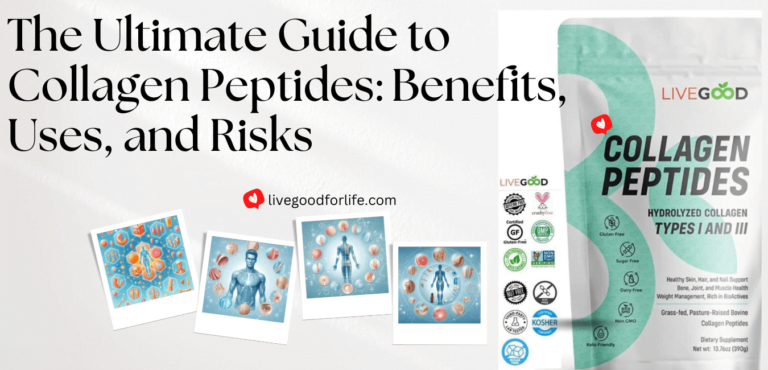
12) Collagen Peptides
Best buyer fit: adults comparing long-term structure-support supplements such as collagen powders.
Collagen peptides are commonly compared for skin, joint, tendon, and structure-support routines, but they should not be used to treat joint pain, arthritis, wrinkles, injuries, or medical symptoms. Check source, serving size, added ingredients, and whether bovine collagen fits your diet.
- Track: routine consistency, digestion tolerance, and one practical metric over time
- Check first if: you avoid bovine ingredients, are vegan or vegetarian, have allergies, take medication, or already use collagen/protein/joint products
Related guide: Collagen Peptides Guide. Product page: LiveGood Collagen Peptides.
Fast Matching Guide by Goal
| Goal readers often search for | Supplement examples to compare | What to track |
|---|---|---|
| Joint comfort routine | Omega-3, curcumin, boswellia, collagen | Stiffness minutes or activity comfort |
| Gut routine | Probiotics, fiber, ginger | Bloating, regularity, tolerance |
| Stress/sleep pattern | Magnesium | Sleep quality and next-day energy |
| Lab-guided nutrient support | Vitamin D | Lab values and supplement overlap |
| Cardio-metabolic wellness interest | CoQ10, green tea, garlic | Tolerance and medication fit |
Use this table as a comparison tool, not a treatment plan. If symptoms are persistent, worsening, unexplained, or severe, seek professional medical guidance instead of self-managing with supplements.
Quality Checklist: How to Spot Better Supplement Labels
Quality matters as much as the ingredient. Two products can use the same headline ingredient but differ in dose, form, transparency, testing, and safety information.
- Clear Supplement Facts: full ingredient amounts instead of vague blends
- Transparent sourcing and testing: COAs or third-party verification when available
- Realistic claims: avoid cure, treatment, detox, reverse, or guaranteed-result wording
- Safety clarity: cautions, allergens, medication notes, and usage directions
- Cost per serving: compare serving count, not only bottle price
Deep dives: Are proprietary blends ever acceptable? and What “clinically studied ingredients” really means.
Safety: Who Should Check First?
Even natural supplements can affect bleeding risk, blood pressure, blood sugar, liver enzymes, kidney function, digestion, and medication metabolism. Check with a qualified healthcare professional before starting new supplements if you:
- take blood thinners, antiplatelet drugs, heart medication, diabetes medication, blood pressure medication, or immune-modulating medication
- are pregnant, trying to conceive, or breastfeeding
- have autoimmune, liver, kidney, gallbladder, digestive, bleeding, blood sugar, blood pressure, or allergy concerns
- have surgery planned
- take multiple supplements already

When to Get Medical Evaluation
Do not use supplements to delay care for serious or unexplained symptoms. Get checked promptly if you have chest pain, trouble breathing, fainting, persistent fever, unexplained weight loss, blood in stool, black or tarry stool, severe abdominal pain, persistent vomiting, sudden swelling or pain in one limb, severe new headaches, or rapidly worsening symptoms.
For site-wide policies, see: Disclaimer. If you need to report an issue or request a correction, use: Contact.
What the Research Actually Shows for Four Popular Supplements
The evidence for inflammation-support supplements is uneven. This section covers where it stands for four common ones, based on public-health sources and published trials. None of them is a treatment for any disease, and this is educational information, not medical advice.
Omega-3 (EPA and DHA)
Omega-3s are the best-studied supplement on this list, mostly for heart health. The NIH Office of Dietary Supplements (ODS) explains that EPA and DHA compete with arachidonic acid, so higher EPA and DHA levels tip the balance of the body’s signalling molecules toward less inflammatory activity.[1]
For joint inflammation the picture is less clear. In rheumatoid arthritis trials, omega-3 supplements generally reduced how much anti-inflammatory medication people needed. They did not have consistent effects on joint pain, swelling or morning stiffness.[1]
Dose matters. ODS reports that FDA considers supplements providing up to 5 g a day of EPA and DHA safe when used as directed. However, two large trials found that 4 g a day for several years slightly increased the risk of atrial fibrillation in people with heart disease or at high risk of it. Fish oil may also prolong clotting time when taken with warfarin. Side effects are usually mild: an unpleasant taste, bad breath, heartburn, nausea and diarrhea.[1]
Curcumin (Turmeric Extract)
The National Center for Complementary and Integrative Health (NCCIH) says many studies have looked at turmeric and curcumin for osteoarthritis, fatty liver disease and high cholesterol, but researchers still do not know enough to conclude that it helps for any health purpose. Some meta-analyses of osteoarthritis measures show positive early results, but higher-quality evidence is needed. Products differ in how much curcumin they contain, and many add piperine from black pepper to improve absorption.[2]
NCCIH also warns that highly bioavailable curcumin formulations may harm the liver, while ordinary oral turmeric or curcumin is likely safe in recommended amounts for up to 2 or 3 months.[2]
Magnesium
Magnesium is an essential mineral, but it is uncertain whether supplements lower inflammation. Earlier clinical trials of magnesium and inflammation markers were described as controversial.[3] A 2018 meta-analysis of eight randomized trials found that magnesium supplementation lowered C-reactive protein (CRP) by about 1.3 mg/L, but the range of possible results only just excluded zero, and the authors said larger, longer trials are needed.[4]
ODS sets the adult upper limit for magnesium from supplements and medications at 350 mg a day.[5]
Boswellia
Boswellia serrata extract has been tested mostly in knee osteoarthritis. One pilot trial of 48 patients found that after 120 days, people taking a branded boswellia extract had less pain and stiffness and better physical function than those on placebo, along with lower CRP. The authors were affiliated with the company that makes the extract.[6] It is a small pilot study, so treat the result as promising rather than settled.
Who Should Talk to a Doctor First
Check with a healthcare professional before starting any of these if you:
- take blood thinners (omega-3s)
- have heart disease or high heart-disease risk (high-dose omega-3s)
- have liver problems (curcumin)
- have kidney disease (magnesium)
- are pregnant, breastfeeding, or have surgery planned
- already take several supplements
Sources
- NIH Office of Dietary Supplements. Omega-3 Fatty Acids: Fact Sheet for Health Professionals. ods.od.nih.gov
- NCCIH. Turmeric: Usefulness and Safety. nccih.nih.gov
- Simental-Mendía LE, Sahebkar A, Rodríguez-Morán M, Zambrano-Galván G, Guerrero-Romero F. Effect of magnesium supplementation on plasma C-reactive protein concentrations: a systematic review and meta-analysis of randomized controlled trials. Curr Pharm Des. 2017;23(31):4678–4686. PubMed
- Mazidi M, Rezaie P, Banach M. Effect of magnesium supplements on serum C-reactive protein: a systematic review and meta-analysis. Arch Med Sci. 2018;14:707–716. PubMed
- NIH Office of Dietary Supplements. Magnesium: Fact Sheet for Consumers. ods.od.nih.gov
- Majeed M, Majeed S, Narayanan NK, Nagabhushanam K. A pilot, randomized, double-blind, placebo-controlled trial to assess the safety and efficacy of a novel Boswellia serrata extract in the management of osteoarthritis of the knee. Phytother Res. 2019;33(5):1457–1468. PubMed
FAQ
Which anti-inflammatory supplements are commonly researched?
Commonly researched categories include omega-3 EPA/DHA, curcumin, probiotics, fiber, magnesium, ginger, boswellia, vitamin D, CoQ10, green tea or EGCG, garlic, and collagen peptides. The best choice depends on your goal, safety profile, medication use, and label quality.
Can supplements treat arthritis or joint pain?
No. Supplements should not be used to diagnose, treat, cure, or prevent arthritis, joint pain, or any medical condition. If you have pain, swelling, stiffness, or mobility issues, speak with a qualified healthcare professional.
What is the safest way to try one?
Choose one goal, choose one supplement, follow the current label, check medication and health cautions, and track one metric. Avoid starting multiple new products at once.
Are natural supplements always safe?
No. Natural products can still interact with medication, affect bleeding risk, irritate digestion, or be unsuitable for certain health conditions. Safety depends on the person, product, dose, and context.
Medical Disclaimer
Important: This article is for educational purposes only and does not provide medical advice, diagnosis, or treatment. Dietary supplements are not intended to diagnose, treat, cure, or prevent any disease.
Always consult a qualified healthcare professional before making changes to your diet, exercise, medications, or supplements, especially if you take prescription medications, have a diagnosed medical condition, are pregnant or nursing, have surgery planned, or use multiple supplements.