Best Supplements for Hormone Balance: 10 Options, Safety Tips & Label Guide
Last updated: April 27, 2026
10 Supplements for Hormone Health: The Simple Version
Hormone health is complex. Sleep, stress, age, nutrition, movement, medication use, thyroid health, reproductive health, blood sugar habits, and medical conditions can all influence how someone feels. Supplements may help support normal body functions, but they should not be used to diagnose or treat hormone imbalance.
This guide covers all 10 popular supplement categories people often compare for hormone health: magnesium, vitamin D3, zinc, B-complex vitamins, omega-3s, ashwagandha, maca root, probiotics, black seed oil, and collagen peptides. The goal is to help you understand what each one may support, what to check first, and when to speak with a qualified healthcare professional.
If you are comparing the best supplements for hormone balance, the safest starting point is to understand what each supplement may support, what it cannot do, and when symptoms need medical advice.
Affiliate disclosure: This page may contain affiliate links. If you purchase through my links, I may earn a commission at no extra cost to you.
Important disclaimer: This article is for educational purposes only and is not medical advice. Dietary supplements are not intended to diagnose, treat, cure, or prevent any disease.
Who This Guide Is For
This guide is for readers who want to compare wellness supplements to support daily nutrition, sleep routines, stress resilience, digestive wellness, skin and joint support, or general women’s wellness across different life stages.
It is not a substitute for medical care. Symptoms such as severe fatigue, rapid weight changes, depression, anxiety, irregular cycles, heavy bleeding, hot flashes, hair loss, low libido, infertility, thyroid symptoms, PCOS concerns, menopause symptoms, or persistent digestive issues should be discussed with a healthcare professional.
How Supplements May Fit Into a Hormone-Health Routine
Supplements do not “fix” hormones or force balance. A safer way to think about them is that certain nutrients and plant compounds may help support normal functions involved in overall wellness, such as nutrient status, sleep routines, muscle function, digestive wellness, antioxidant protection, and healthy energy habits.
| Support area | Simple explanation | Helpful reminder |
|---|---|---|
| Nutrition gaps | Vitamins and minerals can help support normal body functions when intake is low | Food and lab guidance matter |
| Sleep and stress routines | Some nutrients fit into relaxation and sleep-support habits | Not a treatment for anxiety or insomnia |
| Digestive wellness | Fiber and probiotics may support normal gut routines | Not a treatment for IBS, bloating, or gut disease |
| Antioxidant protection | Some plant compounds are associated with antioxidant activity | Not a treatment for inflammation or disease |
| Structural support | Protein, collagen, minerals, and movement can support skin, muscle, and joints | Not a menopause or pain treatment |
10 Supplements People Compare for Hormone Health
These 10 categories are commonly searched in hormone-health conversations. They are listed for education and comparison, not as a shopping list. Most people should not take all 10 at once.
1. Magnesium
Magnesium is an essential mineral involved in normal muscle function, nervous system function, electrolyte balance, and energy metabolism. It is often discussed in hormone-health routines because sleep, stress, cramps, and energy habits can overlap with how people feel during different life stages.
Magnesium should not be used to treat PMS, anxiety, insomnia, hormone imbalance, cramps, headaches, thyroid issues, or fatigue. If symptoms are persistent or severe, it is better to get evaluated instead of guessing with supplements.
| May help support | Be careful if |
|---|---|
| Normal muscle function, nervous system function, electrolyte balance, and relaxation routines | You have kidney disease, take medication, or already use a multivitamin, electrolyte powder, or sleep supplement |
If you want more detail, read the Magnesium and Hormone Health guide. You can also compare LiveGood Ultra Magnesium Complex.
Learn more about Ultra Magnesium Complex here
2. Vitamin D3
Vitamin D contributes to normal immune function, normal muscle function, and the maintenance of normal bones. It is often included in women’s wellness conversations because low vitamin D status is common in some groups, especially with limited sun exposure.
Vitamin D should not be used to treat estrogen imbalance, thyroid disease, PCOS, depression, low mood, infertility, menopause symptoms, or fatigue. Testing can be useful because vitamin D needs vary and too much can be harmful.
| May help support | Be careful if |
|---|---|
| Normal immune function, muscle function, bone health, and daily nutrient status | You take high-dose vitamin D, calcium, kidney medication, or have kidney disease, high calcium, sarcoidosis, or other medical concerns |
If you are comparing vitamin D products, check the serving size, vitamin D amount, vitamin K2 amount, and whether the product fits your current multivitamin or doctor-guided plan. Read the LiveGood D3 + K2 guide for more context.
3. Zinc
Zinc is an essential mineral that contributes to normal immune function, normal fertility and reproduction, normal testosterone levels in the blood, normal skin, and the protection of cells from oxidative stress.
Zinc should not be used to treat PCOS, acne, low testosterone, infertility, immune disorders, thyroid disease, or hormone imbalance. Too much zinc can also interfere with copper status, so label amounts matter.
| May help support | Be careful if |
|---|---|
| Normal immune function, normal fertility and reproduction, skin health, and normal testosterone levels in the blood | You already take a multivitamin, zinc supplement, immune product, or have copper deficiency concerns |
Many multivitamins already contain zinc, so check your current supplement labels before adding a standalone zinc product.
4. B-Complex Vitamins, Especially B6 and B12
B vitamins support normal energy metabolism, nervous system function, red blood cell formation, and daily nutrient status. B6 and B12 are often discussed in hormone-health routines because energy, mood, stress, and menstrual-cycle conversations often overlap with B-vitamin topics.
B vitamins should not be used to treat PMS, mood swings, irritability, hormonal migraines, fatigue, depression, anxiety, brain fog, or hormone imbalance. High-dose B6 can be a concern, and biotin can interfere with some lab tests.
| May help support | Be careful if |
|---|---|
| Normal energy metabolism, nervous system function, psychological function, and red blood cell formation | You already take a B-complex, energy product, multivitamin, or high-dose biotin |
For a beginner-friendly overview, read the B Vitamins for Beginners guide.
5. Omega-3 Fatty Acids
Omega-3 fatty acids, especially EPA and DHA, are commonly discussed for heart-conscious nutrition, brain wellness, and general wellness routines. They may fit into a hormone-health routine as part of a broader lifestyle that includes balanced meals, sleep, movement, and professional care when needed.
Omega-3s should not be used to treat inflammation, mood disorders, metabolic dysfunction, hormone imbalance, cholesterol, heart disease, pain, or any medical condition. Quality matters, especially purity testing and freshness.
| May help support | Be careful if |
|---|---|
| Heart-conscious nutrition, normal brain wellness routines, and general wellness support | You take blood thinners, have surgery planned, use high-dose fish oil, or have fish allergies |
For more detail, read the Best Omega 3 Supplements for 2026 and How to Read an Omega-3 Supplement Label.
Learn more about Factor 4 here
6. Ashwagandha
Ashwagandha is an adaptogenic herb often used in stress-support and relaxation routines. Some people compare it when they are looking for plant-based support for busy seasons, sleep routines, or general wellness.
Ashwagandha should not be used to treat cortisol problems, adrenal fatigue, anxiety, insomnia, thyroid disease, low testosterone, fertility concerns, depression, or hormone imbalance. It may not be appropriate for people with autoimmune conditions, thyroid medication, liver concerns, pregnancy, breastfeeding, or sedative medication use.
| May help support | Be careful if |
|---|---|
| General stress-support routines and relaxation-focused wellness habits | You are pregnant, breastfeeding, have thyroid or autoimmune concerns, take sedatives, or have liver issues |
7. Maca Root
Maca root is a plant traditionally used in wellness routines. It is often discussed in women’s wellness, libido, energy, and menopause-adjacent conversations, but it should be described carefully.
Maca should not be used to treat menopause symptoms, low libido, infertility, mood instability, hormone imbalance, hot flashes, or sexual health concerns. If symptoms are present, medical guidance is more appropriate than self-treating with herbs.
| May help support | Be careful if |
|---|---|
| General vitality routines and plant-based wellness habits | You are pregnant, breastfeeding, have hormone-sensitive conditions, take medication, or have thyroid concerns |
8. Probiotics
Probiotics are live microorganisms used to support digestive wellness. Gut health is often discussed in hormone-health conversations because digestion, fiber intake, nutrient absorption, and daily food habits are part of overall wellness.
Probiotics should not be used to treat bloating, estrogen imbalance, poor digestion, IBS, gut disease, immune disorders, detoxification issues, or hormone imbalance. Strains, storage, serving size, and tolerance matter.
| May help support | Be careful if |
|---|---|
| Digestive wellness, gut routine consistency, and general immune wellness | You are immunocompromised, medically fragile, have severe digestive symptoms, or are using multiple gut products |
For more context, read the LiveGood Probiotic Gut Support guide.
Learn more about Probiotic Gut Support here
9. Black Seed Oil
Black seed oil contains thymoquinone and other plant compounds associated with antioxidant activity. It is often discussed for general wellness, immune wellness, metabolic wellness, and inflammation-related topics.
Black seed oil should not be used to treat blood sugar problems, inflammation, metabolic hormone imbalance, immune disorders, fertility concerns, blood pressure, cholesterol, or hormone imbalance. Use extra caution with medication.
| May help support | Be careful if |
|---|---|
| Antioxidant-associated wellness routines and general metabolic wellness habits | You take blood pressure, diabetes, blood-thinning, immune, or hormone-related medication, or are pregnant or breastfeeding |
Learn more about Black Seed Oil here
10. Collagen Peptides
Collagen peptides provide amino acids found in connective tissues. Collagen is often discussed in women’s wellness because skin, hair, joints, muscle, and aging-related routines are common interests during perimenopause and menopause conversations.
Collagen should not be used to treat menopause symptoms, joint pain, skin conditions, hair loss, muscle loss, hormone imbalance, or aging concerns. It is best viewed as a protein-based supplement that may help support normal skin structure and connective tissue routines when paired with adequate protein and a balanced diet.
| May help support | Be careful if |
|---|---|
| Skin-supportive nutrition, connective tissue routines, and protein intake habits | You have allergies, dietary restrictions, kidney disease, or need a specific protein intake plan |
For more detail, read the LiveGood Collagen Peptides guide.
Learn more about LiveGood Collagen Peptides here
Bonus: All-in-One Hormonal Balance for Women Formula
Some women prefer an all-in-one formula instead of comparing many separate bottles. LiveGood Hormonal Balance for Women may be an option to compare if you want a women-focused supplement with several ingredients in one product.
It should not be used to treat hormone imbalance, PMS, menopause symptoms, bloating, mood problems, food cravings, hot flashes, infertility, thyroid concerns, PCOS, or any medical condition. Before buying, check the full label, serving size, herbs, medication cautions, and whether it overlaps with your current supplements.
| Approach | What it means | Best for |
|---|---|---|
| Separate supplements | You choose individual nutrients or herbs one at a time | People who want precise control and easy tracking |
| All-in-one formula | Several ingredients in one bottle | People who value convenience and will read the label carefully |
Explore LiveGood Hormonal Balance for Women here
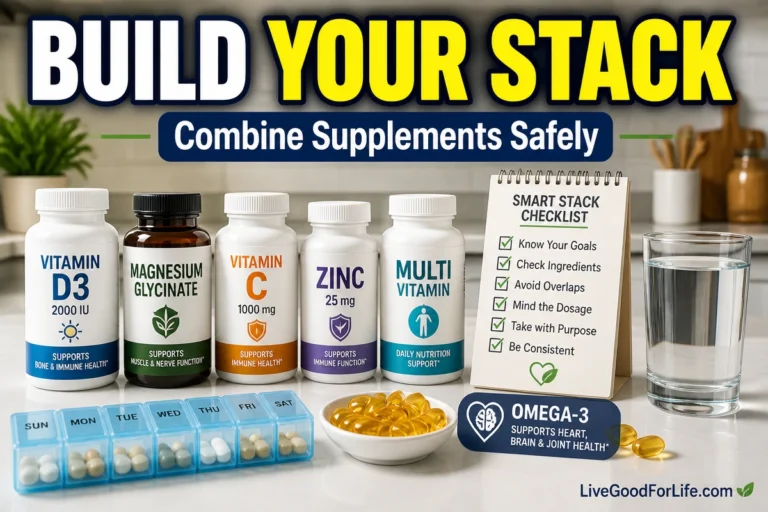
A Safer Way to Build a Women’s Wellness Stack
Stacking several supplements can make it hard to know what helps and what causes side effects. A safer approach is to start with food, sleep, movement, stress recovery, and one supplement at a time if appropriate.
| Step | What to do | Why it helps |
|---|---|---|
| 1 | Check food, protein, fiber, hydration, and sleep first | These are the foundation for daily wellness |
| 2 | Review current supplements | Helps avoid duplicate magnesium, vitamin D, zinc, B vitamins, or herbs |
| 3 | Pick one main goal | Examples: nutrition gaps, sleep routine, digestive wellness, skin and joint support |
| 4 | Add one product at a time | Makes tolerance easier to judge |
| 5 | Ask for help when symptoms are present | Symptoms deserve proper evaluation |
How to Choose a Hormone-Health Supplement
There are many “hormone balance” products on the market. The safest choice is usually the one with a clear label, realistic wording, appropriate serving size, and cautions that match your health situation.
| What to check | Why it matters |
|---|---|
| Full supplement facts panel | Shows ingredient amounts and serving size |
| Overlapping nutrients | Prevents duplicate magnesium, vitamin D, zinc, B vitamins, or herbs |
| Medication cautions | Important for thyroid, hormone, mood, blood pressure, diabetes, immune, or blood-thinning medications |
| Pregnancy and breastfeeding cautions | Many herbs and formulas are not appropriate without guidance |
| Testing and quality information | Helpful for products you plan to use regularly |
| Cost per serving | Shows the real daily cost |
For more label help, read the Third-Party Lab Testing Guide, Label Red Flags Guide, and Supplement Cost Per Day Calculator.
What to Avoid
Be careful with mega-dosing, extreme detox cleanses, aggressive “hormone reset” promises, random social-media supplement stacks, and products that claim to fix symptoms quickly. Hormone-related symptoms can have medical causes, and more supplements are not always better.
Also avoid using supplements to delay care if you have severe cycle changes, heavy bleeding, missed periods, hot flashes that disrupt life, persistent depression or anxiety, sudden weight changes, hair loss, thyroid symptoms, pelvic pain, infertility concerns, or symptoms that feel unusual for you.
When to Talk to a Healthcare Professional
Speak with a qualified healthcare professional if symptoms are persistent, severe, worsening, or interfering with daily life. Lab testing may be helpful for some people, especially when thyroid concerns, iron status, B12, vitamin D, reproductive hormones, blood sugar, or medication effects may be involved.
Get professional guidance before using hormone-health supplements if you are pregnant, breastfeeding, trying to conceive, taking medication, managing thyroid disease, PCOS, endometriosis, diabetes, depression, anxiety, autoimmune disease, liver disease, kidney disease, heart disease, or any diagnosed condition.
Frequently Asked Questions
What is the best supplement for hormone balance?
There is no single best supplement for hormone balance. The right choice depends on diet, symptoms, lab results, medications, age, health history, and goals. Supplements should support normal wellness routines, not replace evaluation or treatment.
How long does it take for supplements to balance hormones?
It is better not to promise a timeline. Supplements do not directly balance hormones. Some people notice routine changes quickly, others notice nothing, and symptoms may need medical care.
Can supplements balance hormones naturally?
Supplements cannot be guaranteed to balance hormones. They may help support normal nutrient status, digestive wellness, relaxation routines, antioxidant protection, or structural support as part of a healthy lifestyle.
What vitamins are commonly discussed for women’s hormone health?
Vitamin D, B vitamins, magnesium, zinc, omega-3s, and choline are commonly discussed because they support normal body functions. They should not be used to treat PMS, menopause symptoms, PCOS, thyroid disease, fertility problems, or mood disorders.
Are hormone-health supplements safe?
Not automatically. Safety depends on the formula, dose, health history, medications, pregnancy status, and whether you are stacking products. Check the label and ask a healthcare professional when unsure.
Can hormone changes cause weight gain?
Weight changes can be influenced by many factors, including age, sleep, activity, food intake, medications, thyroid health, menopause, stress, and medical conditions. Supplements should not be used as weight-loss or hormone-treatment products.
Do men need hormone-health supplements too?
Men also need nutrients such as zinc, vitamin D, magnesium, B vitamins, and omega-3s for normal body functions. Men with low testosterone symptoms, fertility concerns, low libido, fatigue, mood changes, or sexual health concerns should speak with a healthcare professional.
What is the fastest way to fix hormone imbalance?
There is no safe instant fix. Hormone-related symptoms deserve a careful look at sleep, nutrition, stress, movement, medication use, health history, and lab testing when appropriate.
Final Thoughts
The best hormone-health routine is usually simple: consistent sleep, protein-rich meals, enough fiber, regular movement, stress recovery, and targeted supplements only when they make sense. The 10 supplements in this guide may be useful to compare, but they are not treatments for hormone imbalance or symptoms.
Start small, check labels carefully, avoid stacking too many products, and get professional guidance if symptoms are present. Supplements can be part of a healthy routine, but they should not replace medical care.

Free Personalized Health Report
Before adding new supplements, it can help to review your current routine, goals, and wellness habits. This free health assessment can give you a general starting point for thinking through areas such as stress, energy, nutrition, and overall wellness.
This tool is not a diagnosis and does not replace medical advice. Use it as a general wellness snapshot, not as a way to treat symptoms or choose medical care.