17 Foods That Support Healthy Blood Circulation Naturally
Foods for Healthy Blood Circulation: 17 Everyday Options
Healthy blood circulation depends on many daily habits: movement, hydration, sleep, stress management, not smoking, medical care when needed, and a balanced diet. Food is not a magic fix, but the right eating pattern can support heart and blood vessel health over time.
This guide covers 17 foods that support healthy blood circulation naturally, including nitrate-rich vegetables, berries, pomegranate, citrus, omega-3 foods, garlic, herbs, nuts, seeds, and everyday meal ideas.
If you have already read our drink guide, this food list is the next step. You can pair it with 17 Best Drinks to Improve Blood Circulation Naturally to build a more complete circulation-friendly routine.
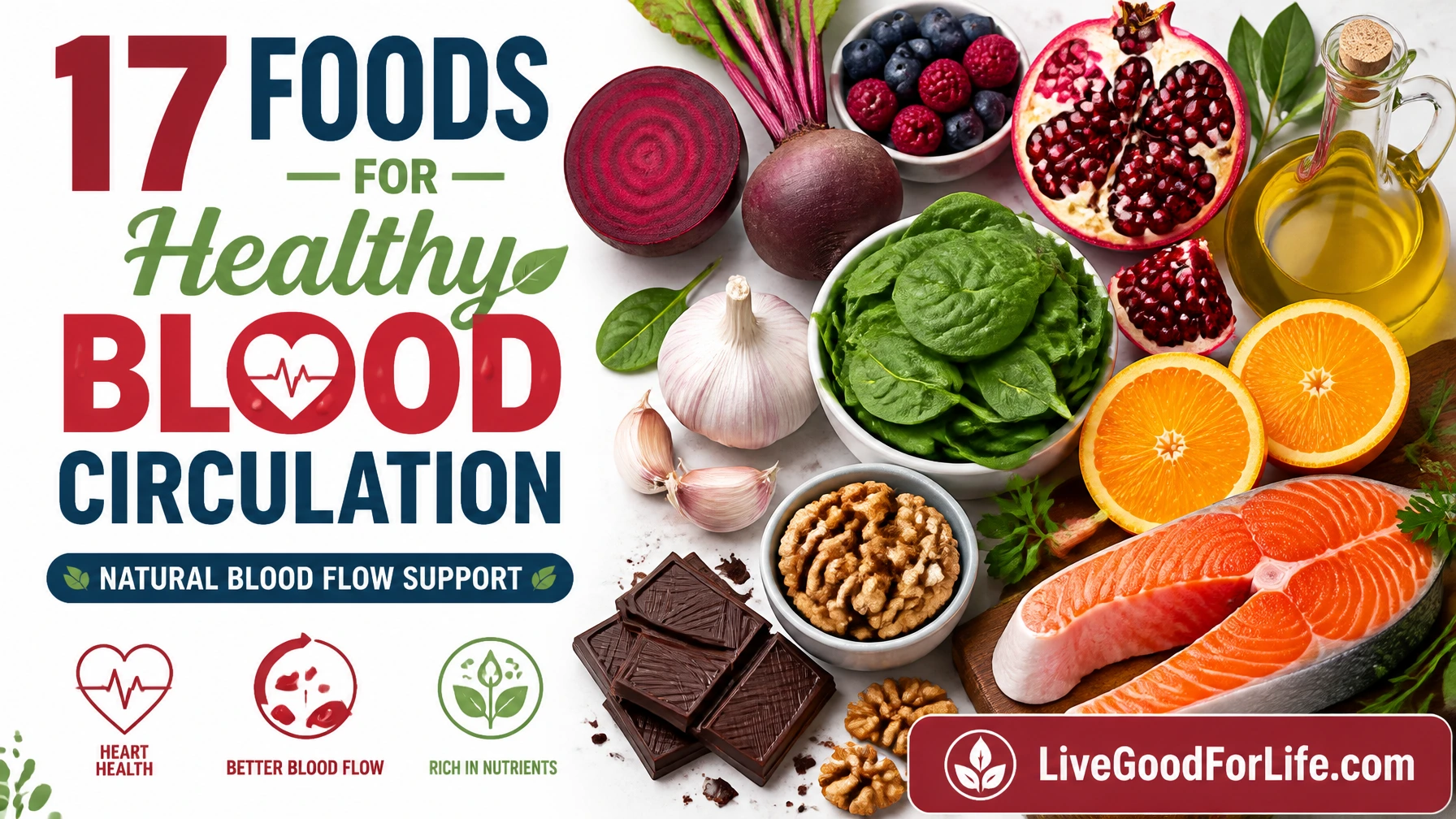
Quick Answer: What Foods Support Healthy Blood Circulation?
Foods that support healthy blood circulation include beetroot, leafy greens, pomegranate, berries, citrus fruits, garlic, onions, fatty fish, walnuts, flaxseeds, chia seeds, pumpkin seeds, dark chocolate, extra virgin olive oil, tomatoes, turmeric, ginger, and legumes.
These foods may support circulation because they provide nutrients such as nitrates, polyphenols, omega-3 fats, potassium, magnesium, fiber, and antioxidants. They work best as part of an overall heart-supportive eating pattern rather than as one-off miracle foods.
For a simple starting point, build meals around vegetables, fruit, beans or lentils, fish or other quality protein, nuts and seeds, olive oil, and herbs or spices instead of relying only on pills or powders.
17 Foods for Healthy Blood Circulation
| Food | Main Reason It May Help | Easy Way to Use It |
|---|---|---|
| Beetroot | Naturally occurring nitrates | Roasted, grated, blended, or added to salads |
| Leafy greens | Nitrates, magnesium, potassium, antioxidants | Spinach, arugula, kale, or lettuce in meals |
| Pomegranate | Polyphenols and antioxidants | Seeds, juice, or superfood blends |
| Berries | Anthocyanins and vitamin C | Add to oats, yogurt, smoothies, or snacks |
| Citrus fruits | Vitamin C and flavonoids | Oranges, grapefruit, lemon, or lime |
| Garlic | Sulfur compounds and heart-friendly meal flavor | Add to soups, sauces, vegetables, or dressings |
| Onions | Quercetin and plant compounds | Use raw, roasted, grilled, or in stews |
| Fatty fish | Omega-3 fatty acids EPA and DHA | Salmon, sardines, trout, herring, or mackerel |
| Walnuts | Plant omega-3 ALA and minerals | Add to breakfast, salads, or snacks |
| Flaxseeds | Fiber and plant omega-3 ALA | Use ground flax in oats or smoothies |
| Chia seeds | Fiber, ALA, and minerals | Chia pudding, yogurt, or smoothie topping |
| Pumpkin seeds | Magnesium and plant minerals | Sprinkle on salads, soups, or bowls |
| Dark chocolate | Cocoa flavanols | Use small portions of high-cocoa chocolate |
| Extra virgin olive oil | Unsaturated fats and polyphenols | Use in dressings or over cooked vegetables |
| Tomatoes | Lycopene and potassium | Fresh, cooked, roasted, or in sauces |
| Turmeric and ginger | Plant compounds and flavorful anti-inflammatory meal support | Use in soups, curries, teas, or dressings |
| Beans and lentils | Fiber, magnesium, potassium, and plant protein | Add to salads, soups, chili, or bowls |
These foods are not a treatment for circulation problems. They are everyday options that can support a healthier diet pattern.
Why Food Matters for Blood Flow
Blood circulation is affected by the heart, blood vessels, blood pressure, blood sugar, inflammation, cholesterol, activity level, hydration, smoking status, and other health factors. Food can support this system by helping you build a nutrient-dense eating pattern.
A heart-supportive diet usually emphasizes vegetables, fruits, whole grains, beans, nuts, seeds, fish, seafood, and unsaturated fats such as olive oil. It also limits ultra-processed foods, excess sodium, added sugars, and high saturated fat intake.
For more lifestyle ideas, use the free guide here: The Ultimate Anti-Inflammatory Lifestyle Guide.
Nitrate-Rich Foods for Blood Flow
Nitrate-rich vegetables are often discussed in circulation and blood flow content because the body can convert dietary nitrate into nitric oxide. Nitric oxide is involved in blood vessel relaxation and normal vascular function.
Common nitrate-rich foods include:
- Beetroot
- Spinach
- Arugula
- Lettuce
- Celery
- Swiss chard
- Parsley
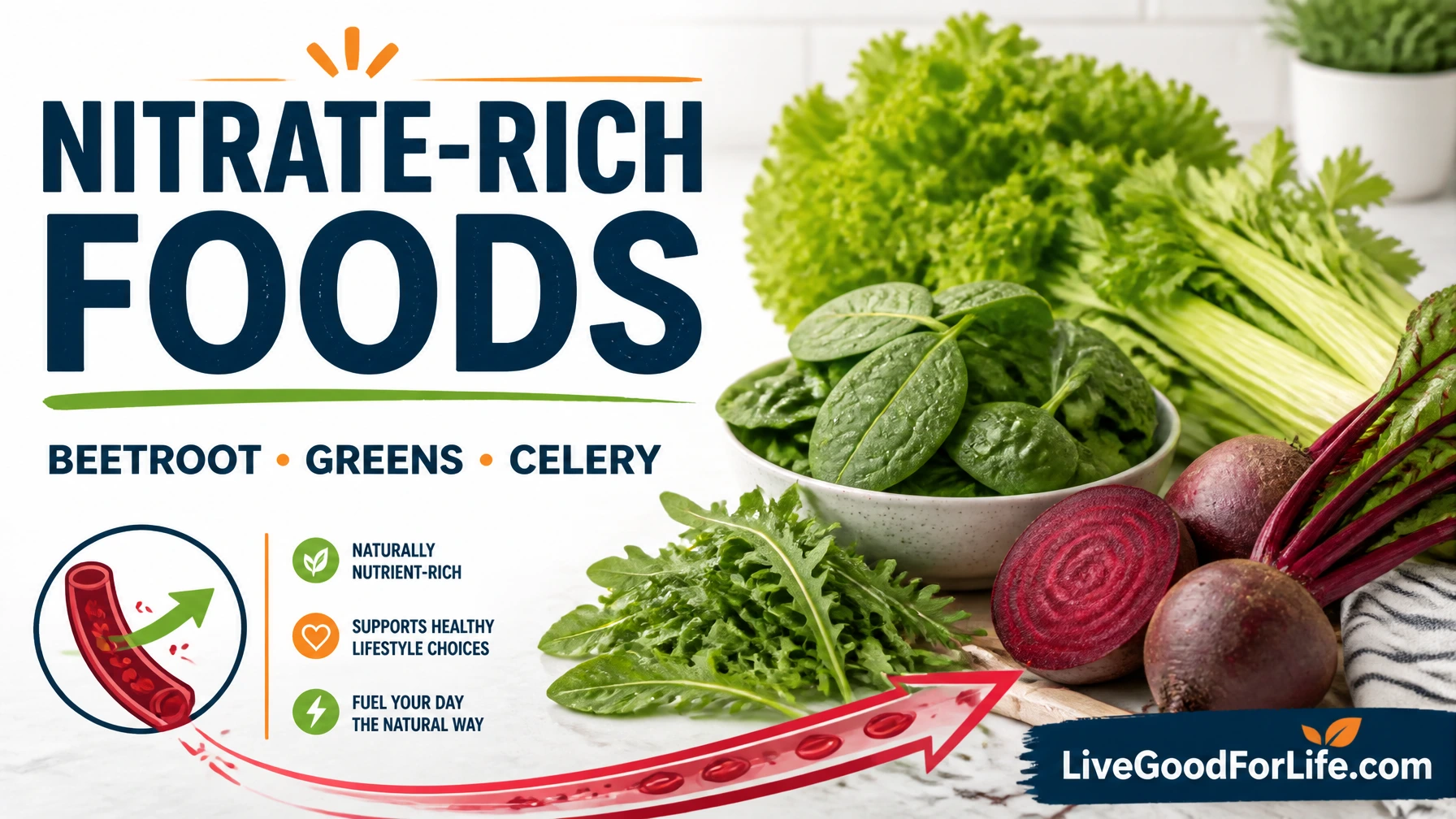
Beetroot is one of the most popular examples. You can read more here: Beetroot for Women: Benefits and How to Use It.
1. Beetroot
Beetroot is one of the best-known foods for blood flow support because it naturally contains dietary nitrates. It also provides color-rich plant compounds and can be used in salads, roasted vegetable bowls, juices, smoothies, or superfood blends.
Try beetroot:
- Roasted with olive oil and herbs
- Grated into salads
- Blended into a smoothie with berries
- Paired with leafy greens and citrus
If you use beetroot powder or a superfood blend, check the serving size and ingredient amounts. You can use the label checklist here: How to Compare Supplement Ingredients Before You Buy.
2. Leafy Greens
Leafy greens such as spinach, arugula, lettuce, kale, and Swiss chard can support a heart-friendly diet because they provide nitrates, magnesium, potassium, vitamin K, folate, fiber, and antioxidants.
Use leafy greens in:
- Breakfast omelets
- Lunch salads
- Green smoothies
- Stir-fries
- Soups
- Wraps and bowls
If you take warfarin or another medication affected by vitamin K, ask your healthcare professional how to keep vitamin K intake consistent rather than suddenly changing your greens intake.
3. Pomegranate
Pomegranate seeds and juice are rich in polyphenols, which are plant compounds often studied for antioxidant and heart-health support. Pomegranate also adds a bright flavor to salads, yogurt, oats, sauces, and smoothies.
Use pomegranate in:
- Salads with greens and walnuts
- Greek yogurt bowls
- Oatmeal or overnight oats
- Small servings of 100% pomegranate juice
- Superfood blends that include pomegranate
For the dedicated guide, read Organic Pomegranate for Women: Benefits and How to Use It.
4. Berries
Berries are rich in anthocyanins, vitamin C, fiber, and other plant compounds. Blueberries, strawberries, raspberries, and blackberries are simple ways to add color and antioxidants to meals.
Try berries with:
- Oats
- Yogurt
- Protein smoothies
- Chia pudding
- Salads
- Frozen berry bowls
Berries are also easier to use consistently than many specialty ingredients because frozen berries are available year-round.
5. Citrus Fruits
Oranges, grapefruit, lemons, and limes provide vitamin C and flavonoids. They also make healthy meals taste better, which can help you eat more vegetables, fish, and salads.
Use citrus:
- As lemon juice over greens
- In homemade salad dressing
- With salmon or sardines
- In fruit bowls
- As lime over beans, lentils, or avocado
Grapefruit can interact with some medications, so check with a pharmacist if you take prescription medicine.
6. Garlic
Garlic contains sulfur compounds and is a practical way to make heart-friendly meals more flavorful without relying heavily on salt, sugar, or ultra-processed sauces.
Add garlic to:
- Roasted vegetables
- Tomato sauces
- Lentil soups
- Fish dishes
- Homemade dressings
- Bean dips
Garlic supplements can interact with blood-thinning medications or surgery planning, so speak with a healthcare professional before using concentrated garlic products.
7. Onions
Onions provide quercetin and other plant compounds. They are also affordable, easy to cook, and useful in many healthy meals.
Use onions:
- Raw in salads
- Roasted with vegetables
- Cooked into soups and stews
- Grilled with lean protein
- Added to bean or lentil dishes
8. Fatty Fish
Fatty fish such as salmon, sardines, trout, herring, and mackerel provide omega-3 fatty acids EPA and DHA. These fats are linked with heart-health support as part of an overall healthy diet.
Simple options include:
- Salmon with leafy greens
- Sardines on whole-grain toast
- Trout with roasted vegetables
- Mackerel salad
- Fish tacos with cabbage and lime
Learn more here: Omega-3 Fish Oil, EPA and DHA Benefits.
9. Walnuts
Walnuts provide plant-based omega-3 ALA, minerals, and healthy fats. They are easy to add to meals without cooking.
Use walnuts in:
- Oatmeal
- Salads
- Yogurt bowls
- Homemade trail mix
- Roasted vegetable dishes
Keep portions sensible, as nuts are both nutrient- and calorie-dense.
10. Flaxseeds
Ground flaxseeds provide fiber and plant-based omega-3 ALA. Ground flax is usually easier to use than whole flax because the body can access more of the nutrients.
Add ground flax to:
- Oats
- Smoothies
- Yogurt
- Protein shakes
- Homemade muffins or pancakes
11. Chia Seeds
Chia seeds provide fiber, minerals, and plant-based omega-3 ALA. They absorb liquid and can help make breakfasts more filling.
Use chia seeds in:
- Chia pudding
- Overnight oats
- Smoothies
- Yogurt bowls
- Homemade fruit jams
12. Pumpkin Seeds
Pumpkin seeds provide magnesium, zinc, healthy fats, and plant protein. Magnesium supports many normal body functions, including muscle and nerve function.
Try pumpkin seeds:
- On salads
- Over soups
- In homemade trail mix
- With oats
- As a crunchy topping for roasted vegetables
13. Dark Chocolate
Dark chocolate made with a higher cocoa content provides cocoa flavanols. It can fit into a healthy diet in small portions, especially when it replaces more sugary desserts rather than adding extra calories on top.
Look for:
- Higher cocoa percentage
- Smaller portions
- Less added sugar
- Pairing with berries or nuts
14. Extra Virgin Olive Oil
Extra virgin olive oil provides unsaturated fats and polyphenols. It is a practical replacement for butter, creamy sauces, or highly processed dressings.
Use it:
- In salad dressings
- Over cooked vegetables
- With beans or lentils
- With herbs and lemon
- As part of Mediterranean-style meals
15. Tomatoes
Tomatoes provide lycopene, vitamin C, potassium, and water. Cooked tomato products can be a useful way to add flavor and plant compounds to meals.
Use tomatoes in:
- Homemade sauces
- Salads
- Soups
- Bean dishes
- Whole-grain pasta meals
16. Turmeric and Ginger
Turmeric and ginger are flavorful spices often used in anti-inflammatory style eating patterns. They work best as part of a food routine rather than as a shortcut around healthy habits.
Use them in:
- Soups
- Curries
- Stir-fries
- Teas
- Salad dressings
If you take blood-thinning medication, are preparing for surgery, or use concentrated spice supplements, ask a healthcare professional for guidance.
17. Beans and Lentils
Beans and lentils provide fiber, magnesium, potassium, plant protein, and slow-digesting carbohydrates. They can support heart-friendly meals and help replace heavily processed meats in some dishes.
Use beans and lentils in:
- Lentil soup
- Bean chili
- Chickpea salads
- Black bean bowls
- Hummus-style dips
Build a Circulation-Friendly Plate
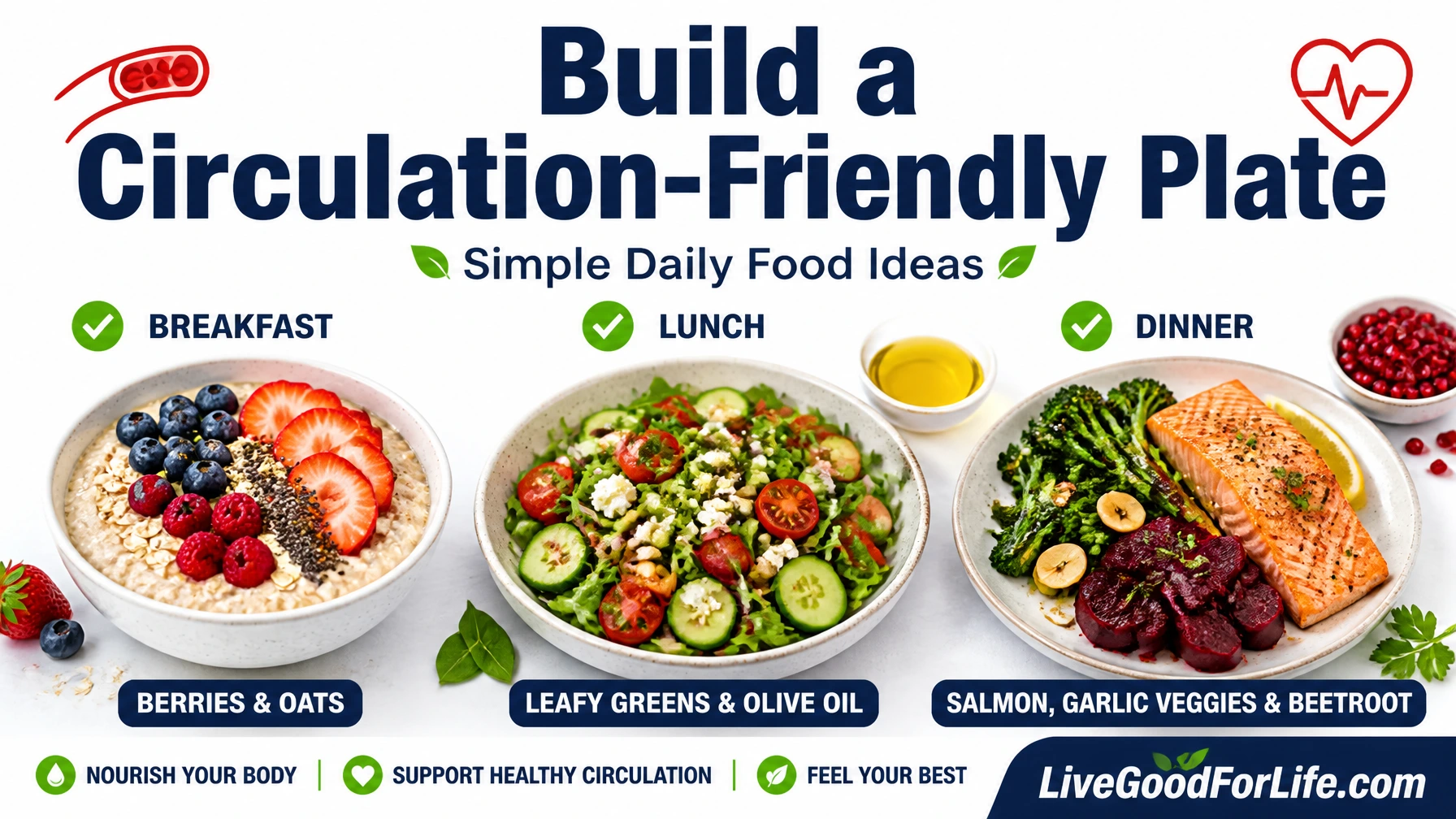
You do not need to eat all 17 foods every day. The goal is to create a repeatable pattern that includes several circulation-friendly foods across the week.
| Meal | Simple Idea | Circulation-Friendly Foods |
|---|---|---|
| Breakfast | Oats with berries, chia, flax, and walnuts | Berries, chia, flax, walnuts |
| Lunch | Leafy green salad with beetroot, beans, olive oil, lemon, and garlic | Greens, beetroot, beans, olive oil, citrus, garlic |
| Snack | Greek yogurt with pomegranate seeds or a small dark chocolate square | Pomegranate, cocoa flavanols |
| Dinner | Salmon with roasted vegetables, tomato, onions, and herbs | Fatty fish, tomatoes, onions, herbs |
Where LiveGood Super Reds Fits
Food should come first, but superfood powders can be a convenient add-on when you want an easy way to include red and purple plant ingredients. LiveGood Organic Super Reds includes superfood ingredients such as pomegranate and beetroot, making it relevant to a circulation-friendly routine.
Before buying any superfood powder, check the serving size, ingredient list, sugar content, price per serving, and how it fits with your food routine.
Helpful guides:
- LiveGood Organic Super Reds Review
- Super Reds Powerful Organic Superfood Blend
- Supplement Red Flags: Hype vs Real Ingredient Quality
- How to Compare Supplement Price Per Serving
Foods to Limit for Better Circulation Support
Adding healthy foods helps, but reducing less helpful patterns also matters. A circulation-friendly eating pattern usually limits foods that are high in added sugar, excess sodium, trans fats, and heavily processed ingredients.
Try to reduce:
- Sugary drinks
- Highly processed snack foods
- Deep-fried foods
- Processed meats
- Excess salt
- Large amounts of refined carbohydrates without fiber
- Heavy alcohol intake
You do not need perfection. Better circulation support usually comes from the pattern you repeat most often.
Frequently Asked Questions
What is the best food for healthy blood circulation?
There is no single best food. Beetroot, leafy greens, berries, pomegranate, garlic, fatty fish, nuts, seeds, olive oil, and beans can all support a heart-friendly eating pattern. The full diet pattern matters more than any single food.
Are beetroot and leafy greens good for blood flow?
Organic Beetroot and many leafy greens naturally contain dietary nitrates. The body can convert dietary nitrate into nitric oxide, which is involved in normal blood vessel function. They are useful foods to include, but they are not a treatment for circulation problems.
Is pomegranate good for circulation?
Pomegranate provides polyphenols and antioxidants that may support heart-friendly nutrition. Use pomegranate seeds, small portions of 100% juice, or superfood blends as part of an overall healthy eating pattern.
What should I drink with circulation-friendly foods?
Water is the foundation. You can also include options such as beetroot juice, pomegranate juice, green tea, hibiscus tea, and smoothies depending on your needs. Read the full drink guide here: 17 Best Drinks to Improve Blood Circulation Naturally.
Can foods improve poor circulation?
Food can support heart and blood vessel health, but poor circulation can have serious medical consequences. If you have numbness, pain, swelling, cold extremities, chest discomfort, shortness of breath, or leg pain while walking, seek medical advice.
Are supplements better than foods for circulation?
Supplements can be convenient, but they should not replace a balanced diet. Food provides fiber, water, minerals, vitamins, and plant compounds in a broader package. If you use supplements, compare labels carefully and avoid stacking products without a clear purpose.
How often should I eat circulation-friendly foods?
Try to include several of these foods across the week. For example, eat leafy greens most days, berries several times per week, fish one or two times per week if appropriate, beans regularly, and herbs or spices often.
Start With Food, Then Add Smart Support
The best circulation-friendly routine is usually simple: eat more colorful plant foods, include healthy fats, choose quality protein, stay active, hydrate well, sleep consistently, and get medical care when needed.
Start with one or two foods from this list, then build from there. Pair this guide with 17 Best Drinks to Improve Blood Circulation Naturally and The Ultimate Anti-Inflammatory Lifestyle Guide for a more complete plan.
Compare LiveGood Super Reds and Other Products
Reminder: Food choices, supplements, and lifestyle habits can support general wellness, but they do not replace medical diagnosis or treatment. Always speak with a healthcare professional about circulation symptoms or medication questions.
Medical and affiliate disclosure: This article is educational and is not personal medical advice. I am an independent LiveGood affiliate. If you choose to buy through my links, I may earn a commission at no extra cost to you. Food and supplements are not intended to diagnose, treat, cure, or prevent disease. Speak with a qualified healthcare professional if you have circulation symptoms, chest pain, leg pain while walking, swelling, high blood pressure, diabetes, heart disease, clotting concerns, or if you take medication.