Electrolytes vs Sports Drinks: Which Is Better?
Last updated: August 8, 2026
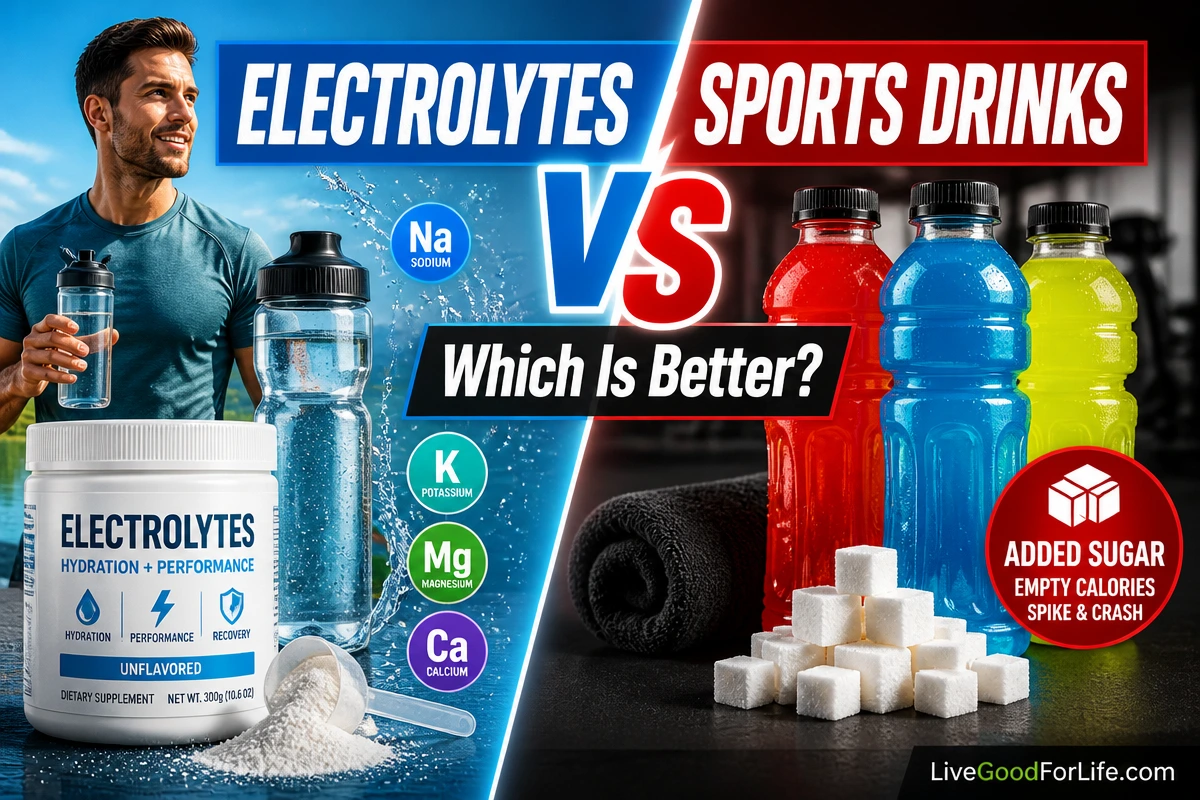
Electrolytes vs sports drinks is a common hydration question because both are marketed for sweat, exercise, heat, and energy. The short answer is simple: plain water is enough for many everyday situations, electrolytes can help when sweat or fluid loss is higher, and traditional sports drinks may be useful for longer or harder activity but often add more sugar than many people need.
This guide gives you a practical way to choose between water, electrolyte powders, electrolyte tablets, low-sugar hydration mixes, and sports drinks. The goal is not to make one option sound perfect. The goal is to help you read the label and match the drink to the situation.
Important: This article is educational only and is not medical advice. Hydration needs can change with medications, kidney disease, heart disease, high blood pressure, diabetes, pregnancy, breastfeeding, fever, vomiting, diarrhea, heat illness, and endurance sports. Ask a qualified healthcare professional if you have symptoms, medical conditions, or medication questions.
Electrolytes vs Sports Drinks: Quick Answer
Choose water for normal daily hydration. Choose electrolytes when you are sweating more than usual, exercising in heat, losing fluids, or need sodium and other minerals without a lot of sugar. Choose a sports drink when you need both fluids and quick carbohydrates during longer, harder, or repeated exercise sessions.
| Situation | Best first choice | Why |
|---|---|---|
| Normal workday | Water | Simple hydration without calories or added sugar |
| Short light workout | Water | Most people do not need a sports drink |
| Hot day with heavy sweating | Electrolytes | Sodium and minerals may help replace sweat losses |
| Long endurance exercise | Sports drink or planned carbs plus electrolytes | Carbohydrates can support longer training |
| Low-carb or sugar-conscious routine | Low-sugar electrolytes | Hydration support without much added sugar |
| Vomiting or diarrhea | Medical guidance or oral rehydration solution | Fluid loss can become serious |
What Are Electrolytes?
Electrolytes are minerals that carry an electrical charge in body fluids. They help with fluid balance, nerve signals, muscle contraction, and normal body function. The main electrolytes people see on hydration labels include sodium, potassium, magnesium, calcium, chloride, and sometimes phosphorus.
Sodium is usually the key electrolyte for sweat replacement because sweat contains sodium. Potassium, magnesium, and calcium also matter for normal body function, but a hydration drink does not need huge amounts of every mineral to be useful.
MedlinePlus explains that fluid and electrolyte balance is important because the body needs the right amounts of water and electrolytes to work properly. This is why dehydration, overhydration, vomiting, diarrhea, kidney issues, and some medications can change the safety picture.
What Are Sports Drinks?
Sports drinks are flavored beverages usually designed to provide water, electrolytes, and carbohydrates. The carbohydrate usually comes from sugar. That sugar can be useful during longer exercise because it provides quick fuel, but it can be unnecessary for everyday sipping or short light workouts.
The CDC lists sports drinks among sugary drinks and notes that sugary drinks can add calories with little nutritional value. That does not mean every sports drink is always bad. It means the situation matters. A drink designed for a long run is not automatically the best choice for sitting at a desk.
The Big Difference: Sugar and Purpose
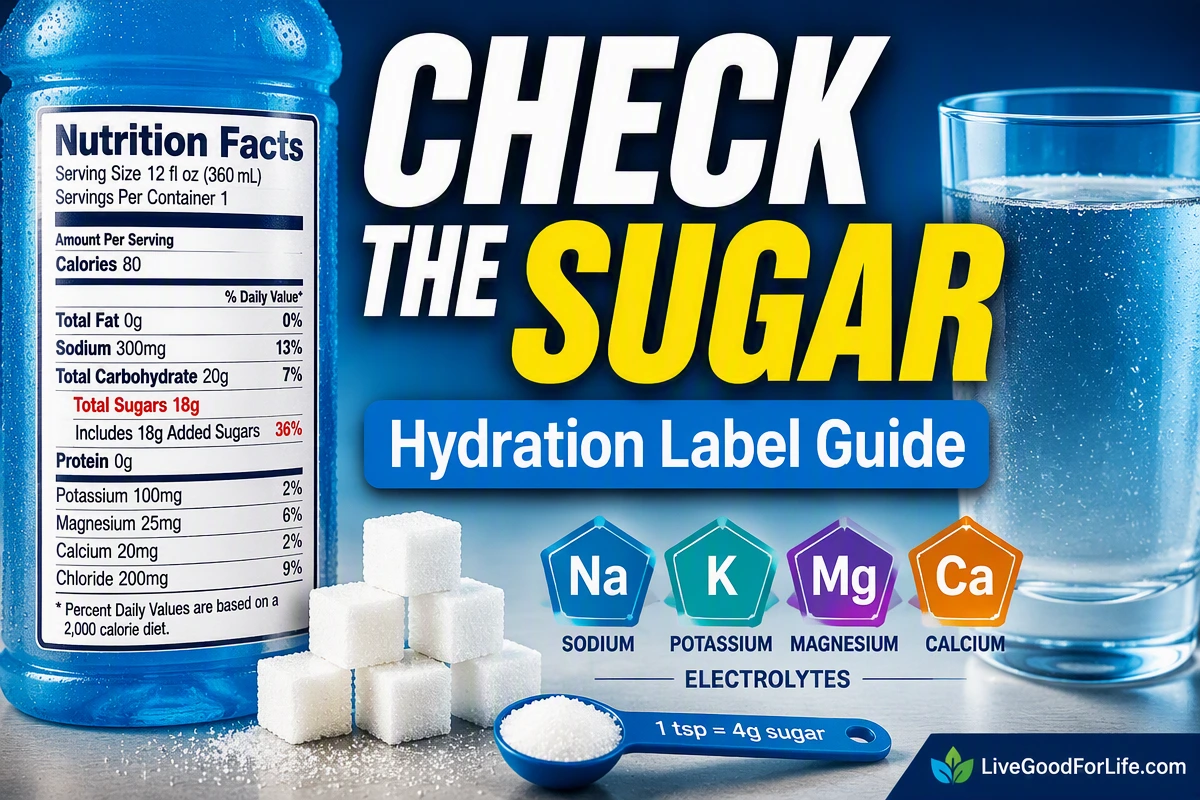
The biggest difference between electrolytes and sports drinks is usually sugar. Many electrolyte powders focus on minerals and flavor. Many sports drinks combine minerals with sugar for quick exercise fuel. That can be useful for some athletes and unnecessary for many casual users.
| Label factor | Electrolyte drink | Sports drink |
|---|---|---|
| Primary purpose | Hydration minerals | Hydration plus quick carbohydrates |
| Sugar | Often low or zero, depending on formula | Often higher, depending on bottle size |
| Calories | Usually low if sugar-free | Often higher because of carbohydrates |
| Sodium | Can vary widely | Usually included, but amount varies |
| Best use | Heat, sweat, low-sugar hydration needs | Longer exercise or sport sessions needing fuel |
| Main caution | Too much sodium or mineral overlap for some people | Added sugar and calories when not needed |
When Plain Water Is Enough
Water is the right first choice for many people most of the time. The CDC notes that getting enough water is important for health and that drinking water helps prevent dehydration. Water has no calories, and replacing sugary drinks with water can reduce added sugar intake.
- Normal daily hydration
- Short walks or light activity
- Most short gym sessions
- Meals and regular workdays
- When you are not sweating heavily
If you do not like plain water, try lemon, lime, cucumber, mint, sparkling water, unsweetened tea, or diluted low-sugar hydration options. The best hydration plan is the one you can repeat.
When Electrolytes Make Sense
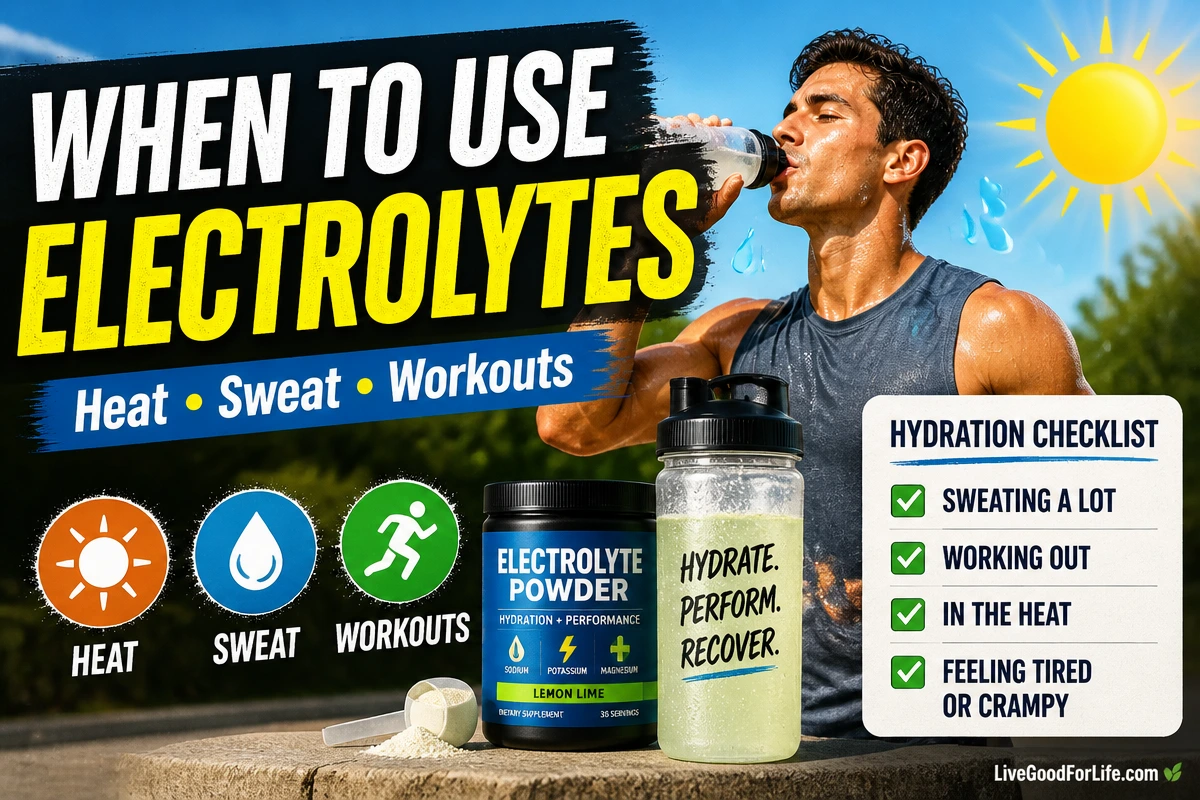
Electrolytes may make sense when your body is losing more fluid and sodium than usual. This can happen during heat, hard workouts, long walks, outdoor labor, sauna use, travel, low-carb dieting, or days when you sweat more than normal.
| Use electrolytes when | Why it may help | What to check |
|---|---|---|
| You sweat heavily | Sweat contains water and sodium | Sodium amount per serving |
| You exercise in heat | Fluid needs increase in hot climates | Serving size and sugar |
| Your workout is long | Longer exercise can increase fluid and mineral loss | Sodium plus carbohydrate needs |
| You follow a low-carb diet | Some people lose more water early in low-carb eating | Sodium and potassium, plus medical suitability |
| You travel or fly | Routine and fluid intake can change | Caffeine, sodium, and convenience |
For a product-specific guide, read 10 Benefits of LiveGood Hydration Amplifier and When to Take Hydration Amplifier.
When Sports Drinks Make Sense
Sports drinks can make sense when you need fluids, electrolytes, and fast carbohydrates at the same time. This is more relevant for endurance exercise, long sports practices, tournament days, repeated hard sessions, or activities where you are sweating and burning through energy for a long time.
For everyday use, the sugar can be the downside. If you drink sports drinks casually, the added sugar can add up quickly without giving you a real performance benefit.
How to Read a Hydration Label
Before choosing between electrolytes vs sports drinks, read the label like a buyer, not like a fan. A clean label should tell you what minerals are included, how much sodium is in one serving, how much sugar is included, and how many servings are in the bottle or packet.
| Label item | Why it matters | Reader tip |
|---|---|---|
| Sodium | Main electrolyte lost in sweat | Higher sweat days may need more than casual days |
| Potassium | Important electrolyte from foods and fluids | Be careful with kidney disease or certain medications |
| Magnesium | Supports normal muscle and nerve function | Check overlap with magnesium supplements |
| Sugar | Fuel for exercise, but not always needed | Choose based on activity length and goals |
| Calories | Can add up when sipping casually | Use water or low-calorie options for daily hydration |
| Caffeine | May be added to performance drinks | Avoid stacking with coffee or energy drinks |
| Serving size | One bottle may contain more than one serving | Compare label serving to what you actually drink |
For more label-reading help, use Supplement Red Flags: Hype vs Ingredient Quality and How to Compare Supplement Price Per Serving.
Sugar: The Hidden Trade-Off
Sugar is not automatically bad during long exercise. It can be useful fuel. The issue is context. A person running for two hours has different needs than a person drinking a sports drink at lunch because it tastes good.
The CDC says sugary drinks are a main source of added sugars and includes sports drinks in that category. The American Heart Association also recommends limiting added sugars as part of a heart-healthy eating pattern. This is why label checking matters.
Sodium: Helpful for Sweat, Not Unlimited
Sodium can be helpful when you sweat heavily because sweat contains sodium. But that does not mean everyone should add high-sodium drinks every day. People with high blood pressure, kidney disease, heart disease, fluid restrictions, or sodium-sensitive conditions should ask a healthcare professional before using high-sodium electrolyte products regularly.
The smarter question is not “Does it have sodium?” The smarter question is “Does this sodium amount match my sweat, activity, heat exposure, diet, and health situation?”
Simple Decision Guide
- Start with water for normal daily hydration.
- Add electrolytes when heat, sweat, travel, or long activity increases fluid loss.
- Use sports drinks when you also need quick carbohydrates for longer or harder exercise.
- Choose low-sugar electrolytes if you want minerals without much added sugar.
- Check sodium if you sweat heavily or have a medical reason to limit sodium.
- Check sugar if you are managing weight, blood sugar, dental health, or daily calories.
- Ask a professional if symptoms or medication are involved.
Best Choice by Goal
| Goal | Better option | Why |
|---|---|---|
| Everyday hydration | Water | No sugar, no calories, easy to repeat |
| Low-sugar hydration support | Electrolyte mix | Minerals without a full sugar load |
| Long workout fuel | Sports drink or planned fuel | Carbs can support endurance activity |
| Outdoor heat work | Electrolytes plus water | Helps replace sweat-related sodium loss |
| Weight management | Water or low-calorie electrolytes | Reduces liquid calories |
| Kids sports | Water first for most short sessions | Sugary drinks are often unnecessary for casual activity |
Common Hydration Mistakes
- Using sports drinks as a daily soft drink replacement.
- Assuming all electrolyte drinks are sugar-free.
- Ignoring serving size on large bottles.
- Choosing the highest sodium product without a reason.
- Drinking only water during very long, hot, sweaty events without planning electrolytes.
- Using hydration products to push through heat illness symptoms.
- Forgetting that food also provides water, sodium, potassium, magnesium, and carbohydrates.
When to Get Medical Help
Hydration problems can become serious. Seek medical help urgently if you have confusion, fainting, chest pain, severe weakness, severe headache, trouble breathing, signs of heat stroke, blood in stool or vomit, inability to keep fluids down, very little urination, or symptoms that worsen quickly.
For vomiting, diarrhea, fever, heat illness, kidney disease, heart disease, or medication-related fluid changes, do not rely only on a general blog guide. Get professional advice.
Where LiveGood Hydration Amplifier Fits
LiveGood Hydration Amplifier may fit people who want a convenient electrolyte hydration option for workouts, heat, travel, or days when plain water is not enough. It should be compared by label, serving size, taste, current price, sugar content, sodium amount, and how it fits your personal routine.
Useful next reads: LiveGood Hydration Amplifier Benefits, Dehydration Signs and Electrolytes, and Best Time to Take Vitamins.
Explore LiveGood hydration and wellness products
Frequently Asked Questions
Are electrolytes better than sports drinks?
Electrolytes may be better if you want hydration minerals without much sugar. Sports drinks may be better during longer or harder exercise when you need both electrolytes and quick carbohydrates.
Do I need electrolytes every day?
Not always. Many people get enough electrolytes from food and fluids on normal days. Electrolyte drinks are more useful when sweating, heat, long activity, or fluid loss increases your needs.
Are sports drinks bad for you?
Sports drinks are not automatically bad, but they can add sugar and calories when used casually. They make the most sense when the sugar serves a purpose, such as longer exercise or repeated hard activity.
Is water enough for a workout?
For many short or moderate workouts, water is enough. For longer sessions, heavy sweating, hot weather, or endurance exercise, electrolytes or planned sports nutrition may be useful.
What should I check on an electrolyte label?
Check sodium, potassium, magnesium, sugar, calories, serving size, caffeine, sweeteners, and warnings. Also check whether one bottle or packet equals one serving.
Can too many electrolytes be a problem?
Yes. Too much sodium, potassium, magnesium, or other minerals can be a concern for some people, especially with kidney disease, heart conditions, blood pressure issues, or certain medications.
Final Thoughts
The best choice between electrolytes vs sports drinks depends on the reason you are drinking it. Use water as your foundation, electrolytes when sweat and heat increase your needs, and sports drinks when you need both hydration and fast fuel for longer activity.
For everyday wellness, the winning routine is usually simple: drink water, eat mineral-rich foods, use low-sugar electrolytes when they fit, and save sugary sports drinks for situations where the sugar has a clear purpose.