How to Read an Omega-3 Supplement Label
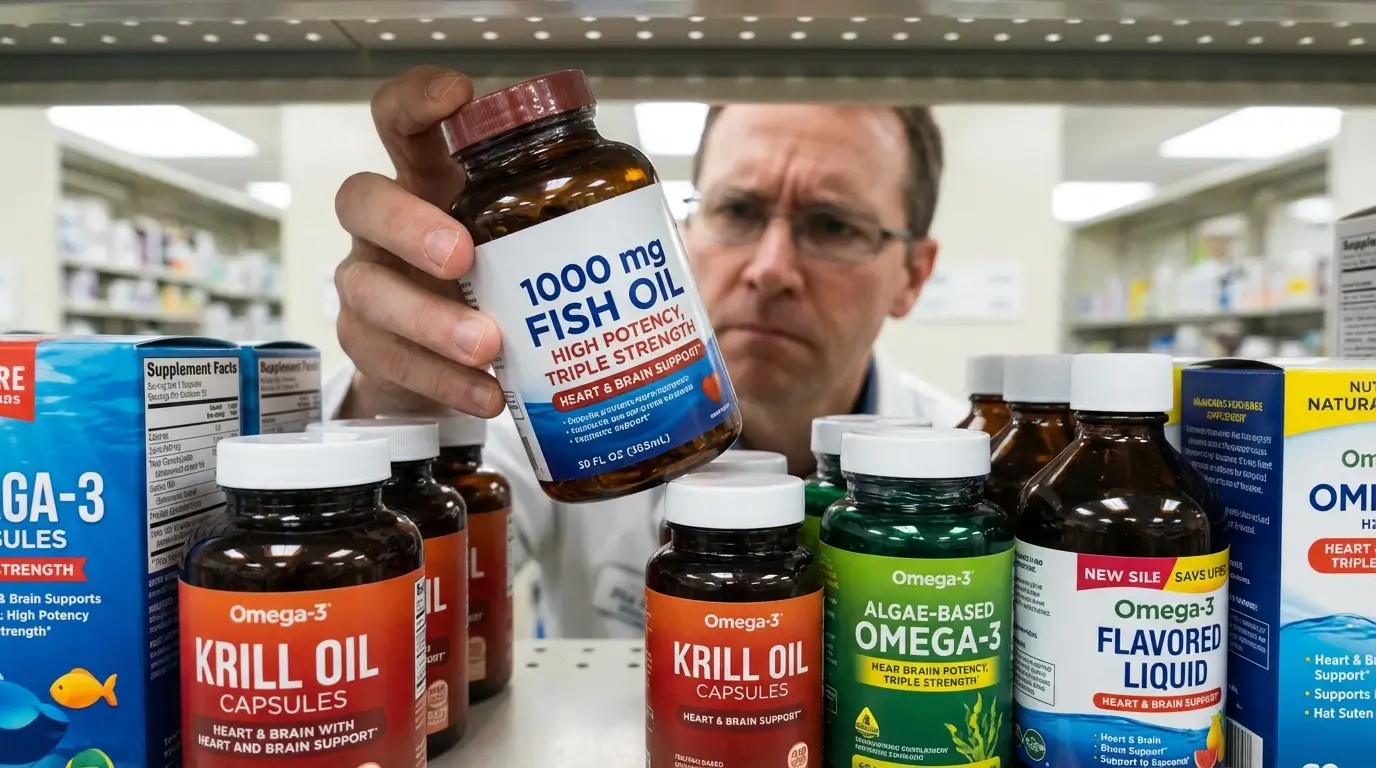
Omega-3 supplements are everywhere. Fish oil softgels, krill oil capsules, algae-based formulas, flavored liquids, concentrated triglyceride forms, and products that promise everything from heart support to brain health. For many shoppers, the label looks reassuring at first glance. The front of the bottle often says things like 1000 mg fish oil, high potency, or triple strength. But those phrases can be misleading if you do not know what to check.
The truth is simple: the most important part of an omega-3 supplement label is usually not the biggest number on the front. What matters most is how much EPA and DHA you are actually getting per serving, what form the oil is in, what other ingredients are included, and whether the product gives enough information to make an informed choice.
This guide will walk you through how to read an omega-3 supplement label step by step, so you can compare products more confidently and avoid paying for weak formulas that look stronger than they really are. If you want a broader buying guide after this, see our Best Omega 3 Supplements for 2026 breakdown.
Why omega-3 labels confuse so many people
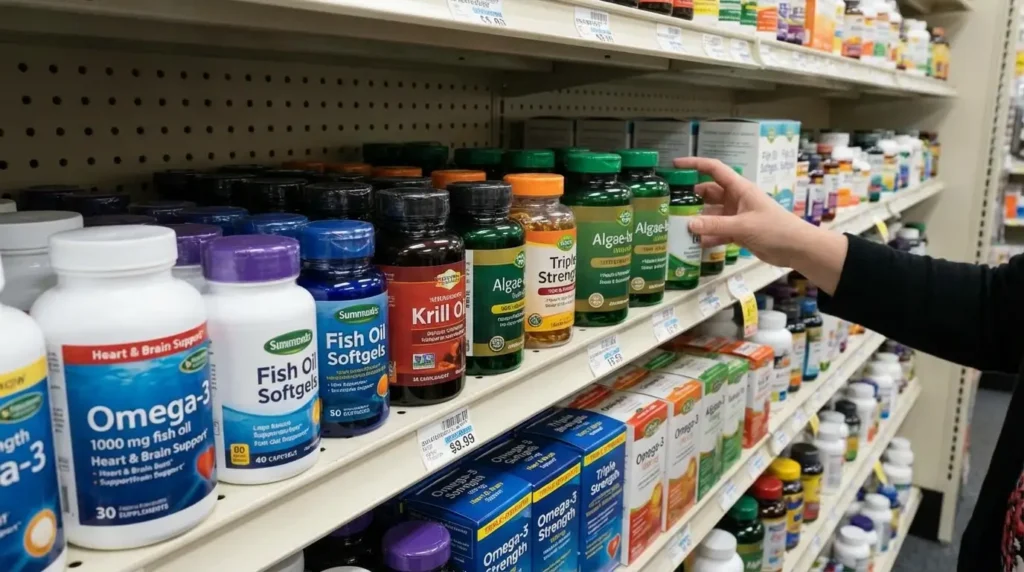
Omega-3 labels are confusing because brands often highlight the total oil amount instead of the active omega-3 content. A bottle may say 1000 mg fish oil, but that does not mean you are getting 1000 mg of omega-3s. In many cases, the actual EPA and DHA combined amount is much lower.
That is where many buyers get tripped up. They assume a larger front-label number means a better supplement. In reality, two products can both say 1000 mg on the front and still deliver very different amounts of useful omega-3s per serving. For a deeper look at how EPA and DHA are usually discussed in practice, our Omega-3 Fish Oil: EPA & DHA Benefits guide can help add context.
Start with the serving size
The first place to look is the Supplement Facts panel. Before checking any ingredient amounts, find the serving size. Some products list one softgel as a serving. Others list two or even three softgels. That matters because all the numbers in the panel are based on that serving size.
If one product provides 600 mg of combined EPA and DHA in one capsule and another provides 600 mg across two capsules, those are not equal in convenience. Always compare supplements on the same serving basis.
What to check
- How many softgels or teaspoons make one serving
- How many servings are in the container
- Whether the brand expects you to take more than one serving daily
This also helps you calculate real monthly cost instead of just bottle price.
Look past “fish oil” and find EPA and DHA
The most important numbers on the label are usually EPA (eicosapentaenoic acid) and DHA (docosahexaenoic acid). These are the two best-known long-chain omega-3 fatty acids in most fish oil products.
When you read a label, ignore the marketing language for a moment and look for these actual amounts. A product may contain 1000 mg of fish oil, but only 180 mg EPA and 120 mg DHA. That means the combined EPA + DHA is 300 mg, not 1000 mg.
Why EPA and DHA matter
EPA and DHA are usually the main reason people buy omega-3 supplements in the first place. They are the part of the formula most shoppers are trying to increase. So when comparing products, ask:
- How much EPA per serving?
- How much DHA per serving?
- How much combined EPA + DHA per serving?
That combined number is often the clearest way to judge strength.
Do not confuse total oil with active omega-3 content
This is one of the biggest label-reading mistakes. Fish oil is the raw oil. Omega-3 content is the part inside that oil you are usually paying for. Think of it as the difference between total material and active useful content.
For example:
- 1000 mg fish oil does not automatically equal 1000 mg omega-3
- 1400 mg fish oil may still provide less EPA + DHA than a more concentrated 800 mg formula
That is why a concentrated product can sometimes look smaller on the front but provide more meaningful omega-3s per serving.
Check the omega-3 form
Some labels tell you the chemical form of the oil. Common forms include natural triglycerides, re-esterified triglycerides, phospholipids, and ethyl esters. Many shoppers skip this section, but it can be useful when comparing higher-end products.
Common forms you may see
- Triglyceride form: often marketed as a more natural form of fish oil
- Re-esterified triglyceride: commonly used in concentrated fish oils
- Ethyl ester: another processed form sometimes used to concentrate EPA and DHA
- Phospholipid form: commonly associated with krill oil
Not every label clearly states the form. But when a brand does disclose it, that usually gives you more transparency. In general, a label that explains what is inside is more trustworthy than one that hides behind vague language.
Read the ingredient list, not just the front label
After the Supplement Facts panel, move to the other ingredients section. This is where you see what else is in the capsule beyond the oil itself.
Common ingredients to look for
- Gelatin or vegetarian capsule materials
- Glycerin
- Natural flavors
- Mixed tocopherols or vitamin E as antioxidants
- Added lemon or citrus flavoring in liquids
None of these are automatically a problem, but they should be visible. If you have dietary preferences, fish allergies, or sensitivities to capsule ingredients, this section matters. It is also where you can see whether a product includes unnecessary fillers or flavoring agents that are not important to you.
Watch for vague marketing claims
Omega-3 supplements are often sold with phrases like pharmaceutical grade, ultra pure, premium quality, or doctor-recommended. These phrases may sound impressive, but by themselves, they do not tell you how strong the formula is.
Instead of being persuaded by broad claims, go back to the hard numbers:
- EPA amount
- DHA amount
- Serving size
- Number of servings
- Ingredient transparency
A plain label with clear details is often more useful than a flashy label full of unverified slogans.
Check for freshness and oxidation support
Omega-3 oils are delicate and can oxidize over time. Labels do not always make freshness easy to evaluate, but there are clues that help. Some products include antioxidants such as mixed tocopherols to help protect the oil. Others mention purification methods, freshness standards, or storage advice.
Helpful freshness clues
- Expiration date that is easy to find
- Storage instructions such as keeping away from heat and light
- Added antioxidants like mixed tocopherols
- Clear packaging details and lot information
Freshness matters because even a high-potency product loses appeal if the oil quality is poor.
Look for testing and transparency signals
Many shoppers want reassurance around purity, heavy metals, contaminants, and general quality control. A label may mention third-party testing, purification, or quality standards. That does not replace careful reading, but it can be a useful trust signal when a brand explains its process clearly.
What matters most is not buzzwords alone, but whether the company gives enough detail to show it takes quality seriously. The more transparent the label and product page are, the easier it is to compare. If you want to sharpen your eye for weak formulas in general, our guide on how to tell if a supplement is fake or ineffective is a strong next read.
Calculate value per serving, not just bottle price
A cheap bottle is not always the better deal. To compare value properly, divide the price by the number of servings, then compare that with the EPA + DHA delivered per serving.
Simple value check
- Find the bottle price
- Check how many servings are inside
- Add EPA + DHA together per serving
- Compare cost against the actual omega-3 content
This helps you avoid overpaying for low-concentration products that only look strong because the front label number is large.
How to compare two omega-3 labels quickly
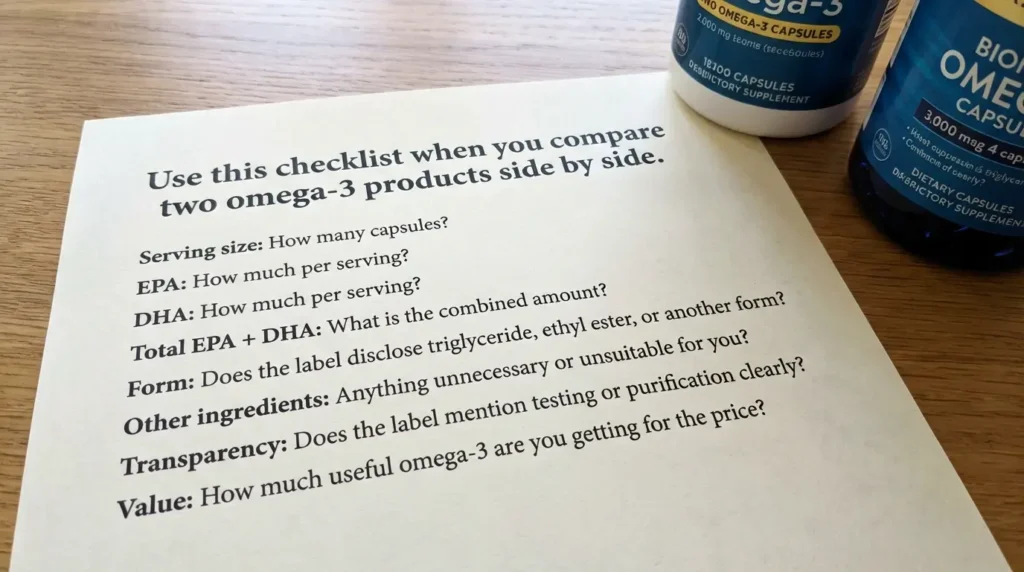
If you are standing in a shop or comparing products online, use this simple checklist:
- Serving size: How many capsules?
- EPA: How much per serving?
- DHA: How much per serving?
- Total EPA + DHA: What is the combined amount?
- Form: Does the label disclose triglyceride, ethyl ester, or another form?
- Other ingredients: Anything unnecessary or unsuitable for you?
- Transparency: Does the label mention testing or purification clearly?
- Value: How much useful omega-3 are you getting for the price?
If a label makes these answers easy to find, that is usually a good sign. For general background from a major public health source, the NIH Office of Dietary Supplements omega-3 fact sheet is a useful external reference.
Red flags on an omega-3 supplement label
- A huge front-label number with no clear EPA or DHA amounts
- Serving sizes that make the formula look stronger than it is
- Heavy reliance on vague quality claims without specifics
- No clear ingredient transparency
- Hard-to-find expiration or storage information
These do not always mean the product is bad, but they should make you slow down and compare more carefully.
Bottom line
Reading an omega-3 supplement label gets much easier once you know what really matters. Start with the serving size, then focus on EPA and DHA rather than the total fish oil number. Check the ingredient list, look for signs of transparency, and compare price against actual omega-3 content, not just bottle size or marketing language.
The goal is not to find the most impressive-looking label. The goal is to find the clearest one. In most cases, the best omega-3 supplement label is the one that helps you understand exactly what you are getting per serving and why it may be worth the price.
FAQ
What is the most important number on an omega-3 supplement label?
For most shoppers, the most useful numbers are the EPA and DHA amounts per serving. Those numbers tell you more than the total fish oil amount on the front of the bottle.
Does 1000 mg fish oil mean 1000 mg omega-3?
No. In many products, 1000 mg refers to the total fish oil, not the active omega-3 content. The actual EPA and DHA combined amount is often much lower.
Why do some omega-3 supplements require two softgels?
Because brands use different serving sizes. Always compare EPA and DHA amounts based on the listed serving size, not just per capsule.
What other ingredients are commonly added to omega-3 supplements?
Common additions include gelatin, glycerin, natural flavors, and mixed tocopherols used to help protect the oil.
Is a more expensive omega-3 always better?
Not necessarily. A better approach is to compare cost per serving alongside EPA + DHA per serving, ingredient transparency, and overall clarity of the label.
Disclaimer
This article is for educational purposes only and does not provide medical advice, diagnosis, or treatment. Omega-3 supplements can affect people differently, especially those with medical conditions, seafood allergies, or those taking medications such as blood thinners. Always read the product label carefully and speak with a qualified healthcare professional before starting any new supplement.