Water & Hydration Guide: Fluids, Electrolytes, Safety & Daily Routine Tips
Water & Hydration Guide: Fluids, Electrolytes, Safety & Daily Routine Tips
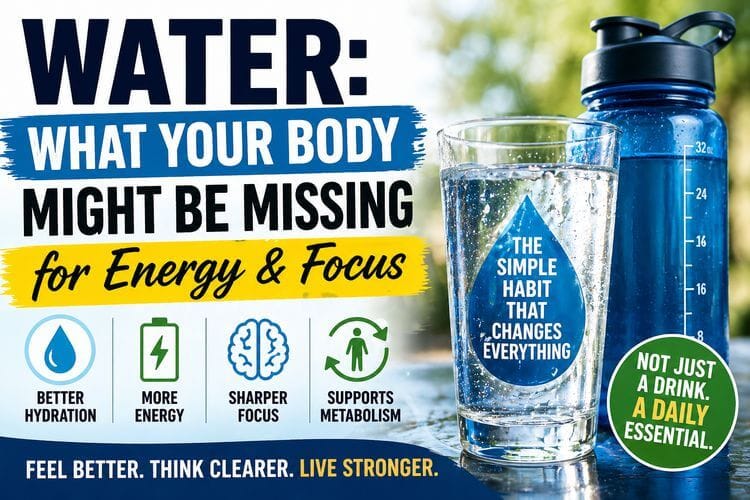
Water is not a macronutrient like protein, carbohydrates, or fats, but your body still needs it every day. It does not provide calories, but it supports normal body functions such as temperature regulation, nutrient transport, digestion, circulation, and waste removal.
This page is part of the Nutrition Basics Course. The goal is to help you understand water, daily fluids, low-calorie drink choices, hydration signs, electrolyte safety, and how to build a simple hydration routine you can repeat.
Near the end, I also include LiveGood Hydration Amplifier as an optional electrolyte product example to compare. Plain water still comes first.
Important: This content is educational only and is not medical advice. Do not use water intake or electrolyte products to self-treat dehydration, heat illness, kidney problems, dizziness, fainting, confusion, fatigue, headaches, performance issues, swelling, or any medical condition. Speak with a qualified healthcare professional if you have kidney disease, heart failure, liver disease, blood pressure concerns, diabetes, fluid restriction, sodium restriction, pregnancy/nursing, medication use, or ongoing symptoms.
Why Hydration Matters in a Daily Routine
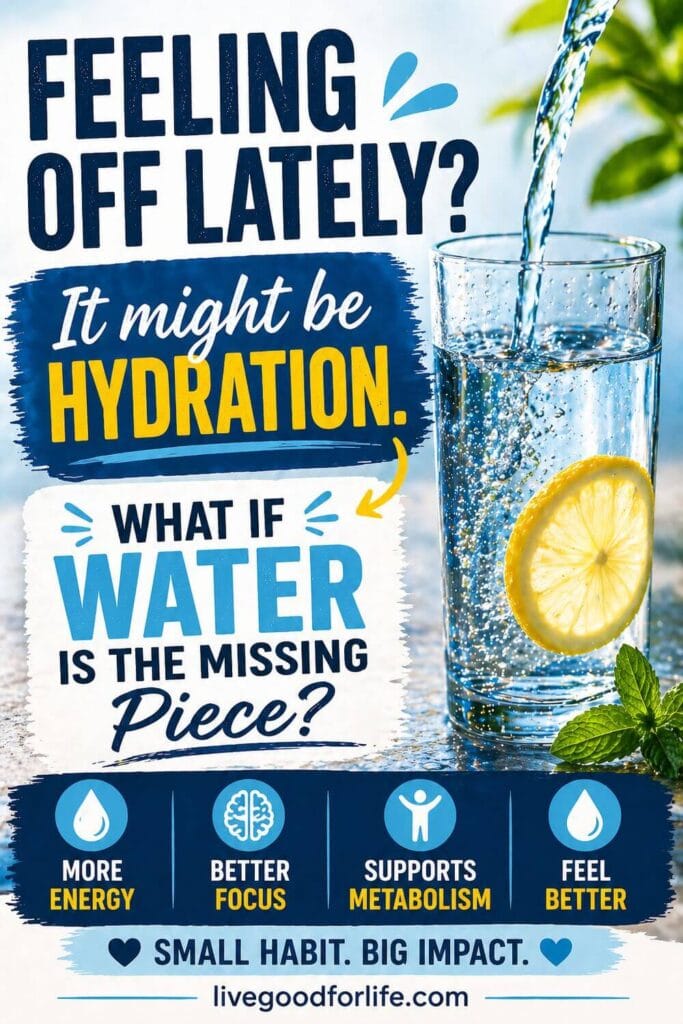
Water is easy to overlook because it feels simple. But the body uses water constantly. Your body loses water through breathing, sweating, urine, bowel movements, and normal skin evaporation, so fluids need to be replaced regularly.
Hydration can influence how you feel, but it should not be treated as the only explanation for low energy, poor focus, headaches, hunger, or performance changes. Those can also be affected by sleep, food intake, stress, illness, medications, training load, hormones, and medical conditions.
The CDC explains that water can help prevent dehydration, which may contribute to unclear thinking, mood changes, overheating, constipation, and kidney stones. Water also has no calories, making it a useful alternative to sugary drinks. CDC: Water and Healthier Drinks
Watch the Video: Why Water Matters
⚡ Quick Answer
Water supports temperature regulation, nutrient transport, digestion, circulation, and waste removal. Most healthy adults need around 11.5 cups per day (women) and 15.5 cups per day (men) from all fluids and food combined — though activity, climate, age, and health status change that number significantly. Plain water is the best foundation; other fluids and water-rich foods count too.
📌 Key Facts at a Glance
- The human body is approximately 60% water by weight. Brain and muscle tissue are around 73% water, which is why even mild dehydration can affect how you think and feel before it affects how you perform physically.
- Mild dehydration at just 1–2% body weight fluid loss is associated in controlled research with reduced attention, slower reaction time, and increased perception of fatigue — before significant thirst is even felt.
- Thirst is a lagging signal. By the time you feel thirsty, some level of dehydration may already be present — particularly in older adults, whose thirst sensation becomes less reliable with age.
- Caffeinated drinks do count toward daily fluid intake. The mild diuretic effect of caffeine does not negate the hydration contribution of coffee or tea at typical intake levels — this is a common misunderstanding.
- Urine color is a useful (though imperfect) real-world indicator: pale yellow = generally adequate, dark yellow = likely under-hydrated, very clear all day = possibly over-hydrated.
- Electrolytes (sodium, potassium, magnesium) are minerals lost through sweat. For exercise under 60 minutes, plain water is sufficient for most people. Electrolyte replacement becomes more relevant during prolonged, intense, or hot-weather exercise.
- Overhydration is a real risk, not just dehydration. Drinking excessive amounts of water can dilute blood sodium (hyponatremia), which is a medical emergency — documented mainly in endurance athletes who drink beyond thirst.
Quick Answer: Why Is Water Important?
Water helps your body transport nutrients, regulate temperature, support digestion, remove waste, maintain circulation, and keep many normal body processes running.
Your body also uses water as the environment where many chemical processes take place. Hydration needs vary by body size, activity, climate, diet, health status, pregnancy/breastfeeding, sweat losses, and medications.
Harvard’s Nutrition Source explains that water is essential at every age, and hydration needs vary depending on body size, physical activity, climate, and health status. Harvard T.H. Chan School of Public Health: Water
Better Fluid Choices for Everyday Hydration
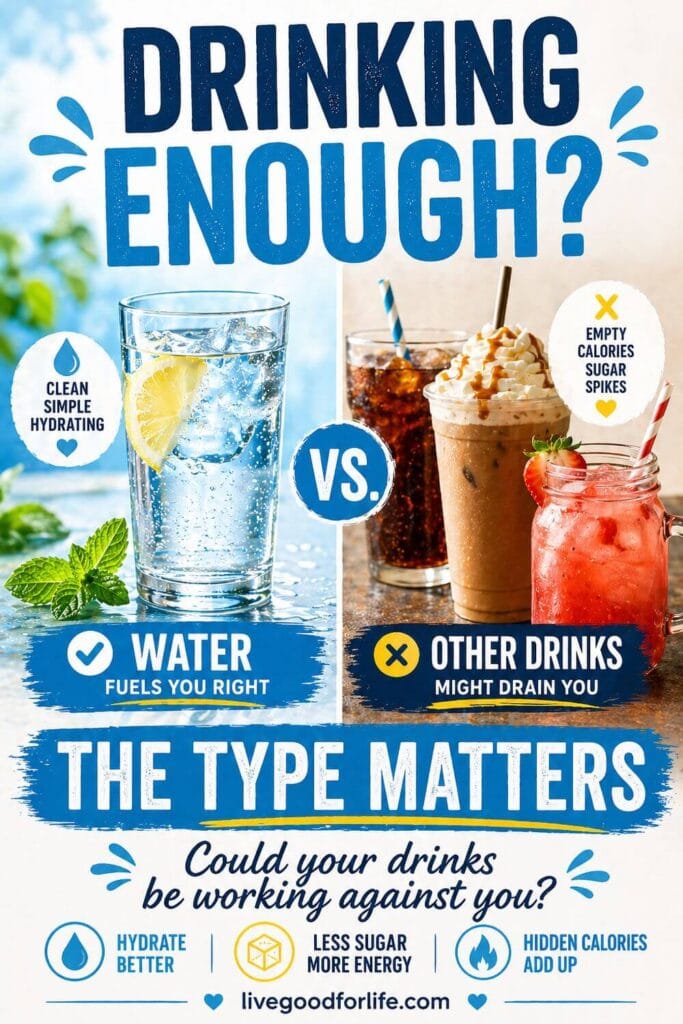
Many people drink liquids throughout the day, but not all drinks fit the same nutrition goals. Sugary drinks, high-calorie coffees, alcohol, sweet smoothies, and soft drinks can add extra calories quickly. They may provide fluid, but they are usually not the best foundation for daily hydration.
Better everyday hydration options usually include plain water, mineral water, sparkling water without added sugar, unsweetened tea, plain coffee in moderation, and water-rich foods such as fruits, vegetables, soups, and yogurt.
The NIH recommends getting fluids mostly from water or other low-calorie beverages, such as plain coffee, tea, or sparkling water, rather than relying on soda, sports drinks, or sugary beverages for most fluid intake. NIH News in Health: Hydrating for Health
What Water Does in the Body
Water serves many functions in the body, including transportation. It helps move substances through blood, tissues, cells, digestive fluids, sweat, and urine.
Water is also involved in normal digestion, circulation, temperature regulation, and daily metabolic processes. A practical way to think about hydration is that it supports the environment your body uses to function normally.
Hydration and How You Feel
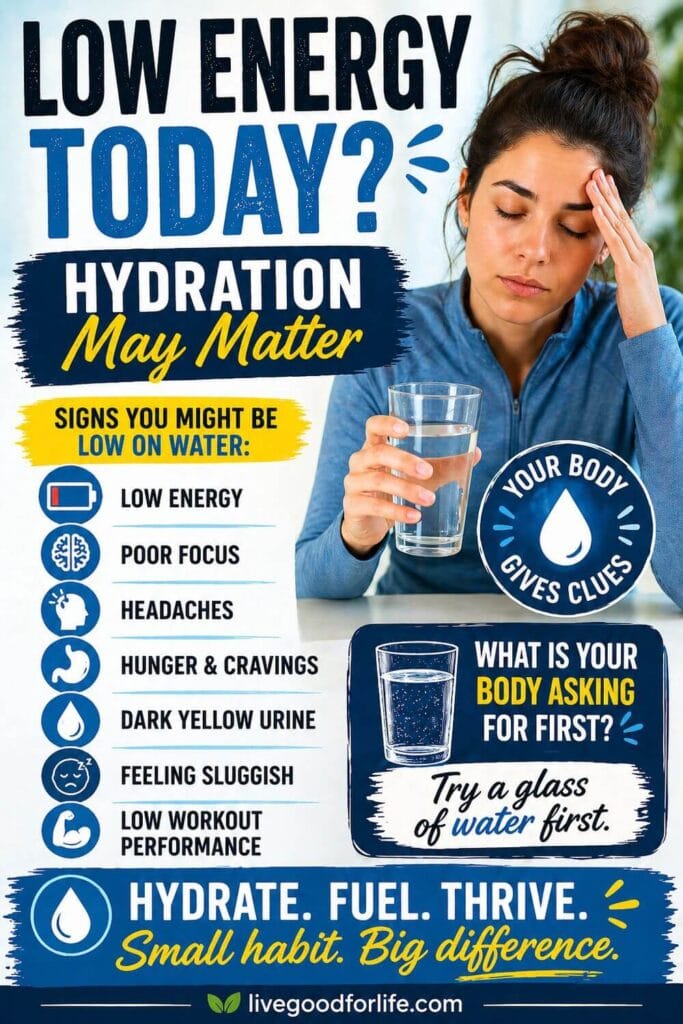
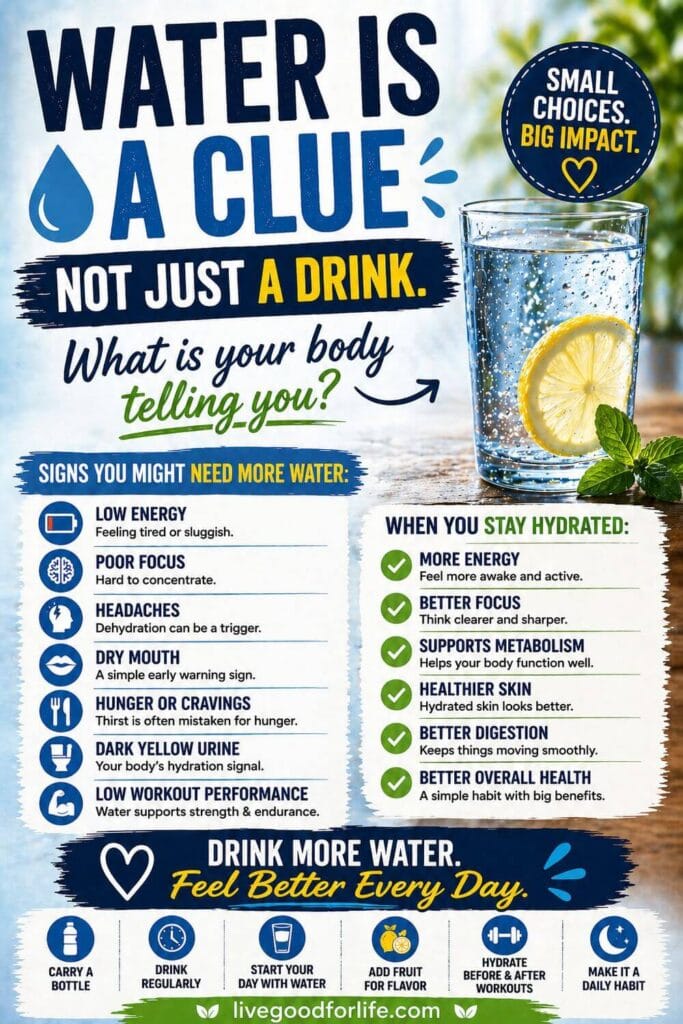
Low fluid intake may contribute to feeling tired, sluggish, headachy, dry-mouthed, or less comfortable during activity. But those signs are not specific to hydration. They can also come from many other lifestyle or medical factors.
Hydration may be worth reviewing if you notice darker urine than usual, dry mouth, heavy sweating without much fluid intake, long gaps without drinking fluids, relying mostly on sugary drinks or alcohol, or increasing fiber without increasing fluids.
If you feel tired, sluggish, or snacky, drinking water may be a simple first step. But water does not replace meals, sleep, medical care, or a balanced nutrition routine.
Water and Metabolism: Keep It Realistic
Water does not “burn fat” by itself, and it is not a weight-loss shortcut. Hydration supports normal body processes, but body weight, energy, appetite, workouts, and metabolism are influenced by many factors.
A more realistic way to think about hydration is this: water supports the routine around healthy habits. It can make it easier to reduce sugary drinks, support normal digestion, stay comfortable during workouts, and build a more consistent daily pattern.
Related course pages:
Best Fluids for Hydration
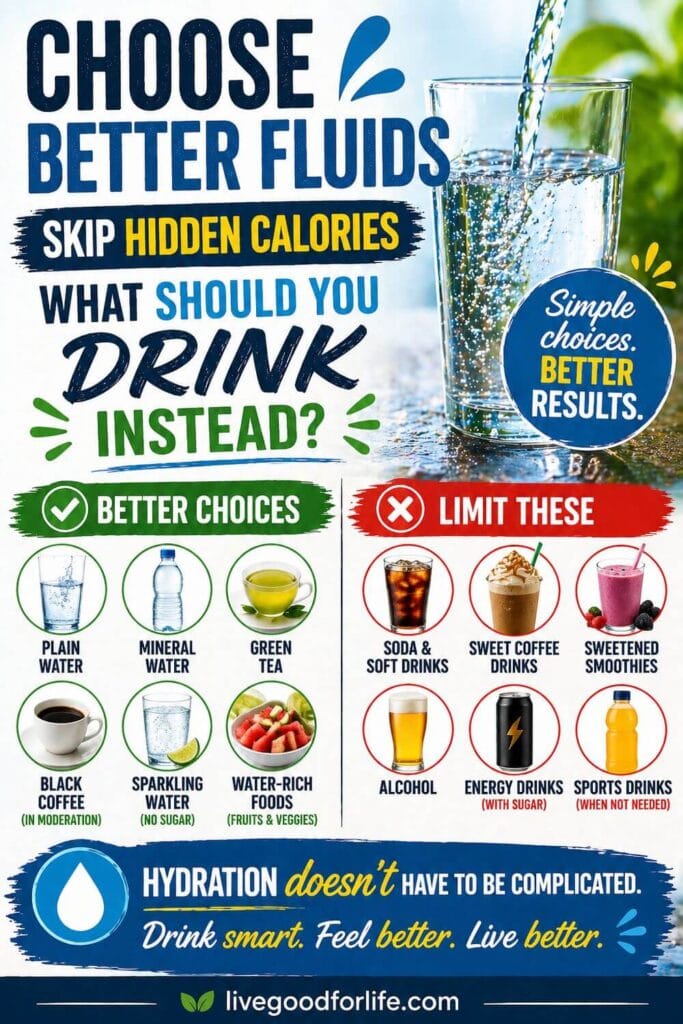
The simplest source of hydration is plain water. It is calorie-free, widely available, and usually the best foundation for daily fluid intake. Other useful options may include mineral water, sparkling water with no added sugar, unsweetened tea, plain coffee in moderation, and water-rich foods.
Try not to use high-calorie drinks as your main hydration strategy. Soda, sweet coffee drinks, sugary energy drinks, alcohol, sweet tea, and sports drinks can be part of someone’s routine occasionally, but they are usually not the best daily foundation.
How Much Water Do You Need?
There is no perfect water amount for everyone. Fluid needs may depend on body size, activity level, climate, sweating, diet, fiber intake, pregnancy or breastfeeding, health status, and medications.
Mayo Clinic explains that average daily fluid needs can vary, with some studies suggesting about 11.5 cups per day for women and 15.5 cups per day for men from all fluids and foods combined. Mayo Clinic: How Much Water Should You Drink Every Day?
Harvard’s Nutrition Source also notes that higher amounts may be needed for people who are physically active or exposed to warm climates. Harvard T.H. Chan School of Public Health: Water
How to Tell If You’re Hydrated
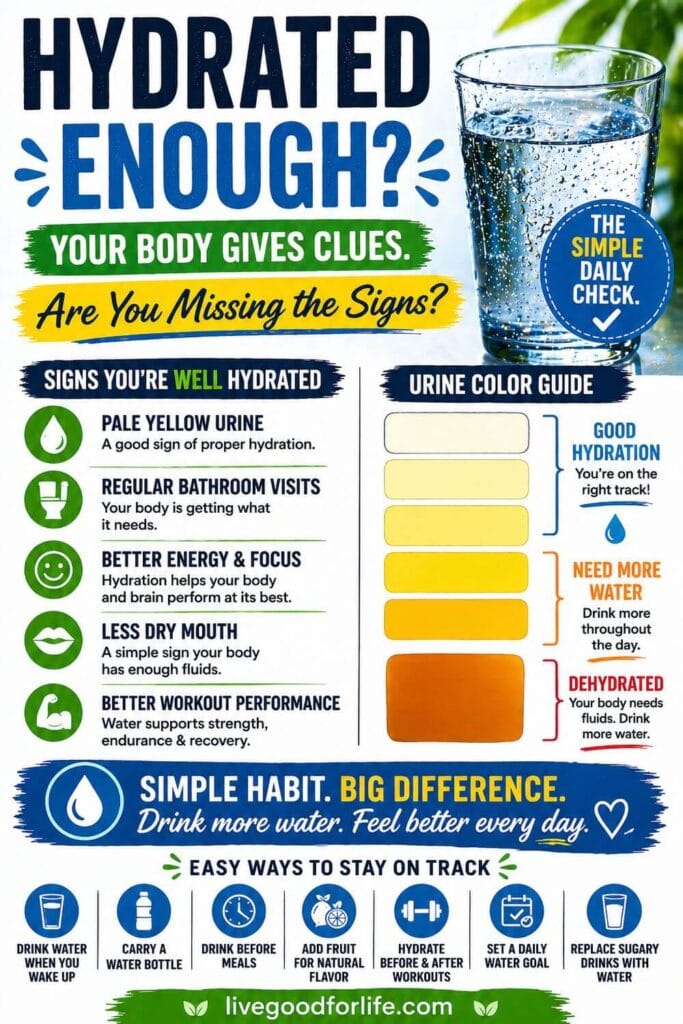
Urine color can be a simple clue, but it is not perfect. Vitamins, medications, foods, timing, and health conditions can affect urine color.
For many healthy people, pale yellow urine can be a practical everyday target, while darker yellow urine may suggest you need more fluids. The NHS also recommends using clear pale-yellow urine as a general hydration sign. NHS: Water, Drinks and Hydration
Very clear urine all day can sometimes mean you are drinking more than you need. Extremely high water intake can be risky in some cases, especially during endurance events or when electrolytes are too low. Balance matters.
Simple Ways to Drink More Water
- Drink water when you wake up
- Keep a water bottle nearby
- Drink water with meals
- Replace one sugary drink with water
- Add lemon, cucumber, mint, or berries for flavor
- Drink before and after workouts based on thirst, heat, and sweat
- Pair water with your morning coffee routine
Safety Notes: When Hydration Needs Extra Care
Ask a qualified healthcare professional before making major changes to fluid or electrolyte intake if you have kidney disease, heart failure, liver disease, adrenal disorders, diabetes, blood pressure concerns, medication use, pregnancy/breastfeeding, sodium restriction, fluid restriction, vomiting, diarrhea, fever, heat illness symptoms, very low urine output, swelling, fainting, confusion, severe dizziness, endurance-event plans, sauna use, hot-weather work, or intense training.
Water and the Rest of Your Nutrition Routine
Hydration works best with the rest of your nutrition foundation. Water supports the body, but it does not replace balanced meals, protein, carbohydrates, healthy fats, fiber, sleep, movement, or medical care.
Continue the Nutrition Basics Course
This post is part of the Nutrition Basics Course on LiveGoodForLife.
- Understanding Calories: What Your Body Does With Energy
- Protein Guide
- Top 20 High-Protein Food Sources
- Carbohydrates: Types, Functions and Benefits
- Understanding Good vs Bad Fats for You
- Fiber Guide
What the Research Actually Shows on Hydration
Hydration research is actually pretty well-developed compared to many nutrition topics. Here’s what the science consistently shows — and where the nuances matter.
- Mild dehydration impairs cognitive performance. Multiple controlled trials (including studies at the University of Connecticut) show that fluid losses as low as 1–2% of body weight reduce attention, working memory, and psychomotor speed — and increase perceived effort during tasks. This applies to both exercise and non-exercise settings.
- Water and kidney stone prevention. Epidemiological evidence consistently links higher fluid intake with lower kidney stone recurrence. The mechanism is straightforward: more fluid = more dilute urine = lower concentration of stone-forming minerals like calcium oxalate and uric acid. This is one of the most evidence-backed reasons clinicians recommend increased water intake.
- Water and UTI prevention. A 2018 RCT published in JAMA Internal Medicine found that premenopausal women with recurrent UTIs who increased daily water intake by 1.5L had significantly fewer UTI episodes than the control group over 12 months — one of the few large hydration RCTs with a clinical outcome.
- Replacing sugary drinks with water reduces calorie intake. Multiple studies consistently show that swapping sugar-sweetened beverages for water results in reduced total calorie intake. The effect is real but modest, and it works best as part of a broader dietary pattern improvement.
- Pre-meal water and appetite. Some studies show that drinking 500ml of water 30 minutes before a meal modestly reduces short-term calorie intake in older adults. Effects in younger adults are smaller. It’s a useful habit, not a weight-loss strategy on its own.
- Electrolytes and performance. For workouts under 60 minutes at moderate intensity, plain water is sufficient for fluid replacement in most people. For longer exercise, particularly in heat, sodium replacement alongside fluid is important to maintain blood volume and prevent hyponatremia.
- The “8 glasses a day” rule has no specific scientific basis. The National Academies of Medicine’s actual guidance is based on total water from all sources (food and beverages), varies significantly by individual, and is far more nuanced than a single number — which is why most major health bodies have moved away from prescribing a fixed daily amount.
The bottom line: adequate hydration clearly matters for cognitive function, kidney health, and daily wellbeing. The exact amount varies by person. Plain water is the best daily foundation, and signs like urine color are more practically useful than counting cups.
🏛️ What Major Health Authorities Say
WHO, CDC, NHS, Harvard T.H. Chan, Mayo Clinic, and the National Academies of Medicine all land in roughly the same place on hydration:
- WHO: adequate hydration is essential for normal body function; recommends water as the primary daily beverage and reducing sugar-sweetened drinks globally as a public health priority.
- National Academies of Medicine: sets Adequate Intakes (AIs) for total water at 2.7 liters per day for women and 3.7 liters per day for men from all sources (food + fluids combined). These are population-level estimates, not prescriptions for individuals.
- Mayo Clinic: about 11.5 cups (women) and 15.5 cups (men) of total fluid per day from all sources; notes that needs vary significantly with physical activity, climate, body size, and health conditions.
- Harvard T.H. Chan School of Public Health: water is the best beverage choice; replacing sugary drinks with water is one of the simplest dietary improvements most people can make; coffee and tea count toward daily fluid intake.
- NHS: recommends 6–8 cups of fluid per day as a practical daily target for most healthy adults in temperate climates; uses pale yellow urine as the everyday practical hydration indicator.
- CDC: plain water has no calories and no sugar; it’s the preferred alternative to sugary drinks for daily hydration; tap water in most U.S. communities is safe and far less expensive than bottled water.
All authorities agree: plain water first, reduce sugary drinks, and adjust intake for your individual context. There is no single universal daily number that works for everyone.
FAQ: Water and Hydration
Is water a macronutrient?
No. Water is not a macronutrient like protein, carbohydrates, or fats because it does not provide calories. However, it is essential for normal body function.
Can dehydration make you feel hungry?
Some people may confuse thirst with hunger, but hunger can also mean you need food. Water does not replace meals. Use hydration as one clue, not the only answer.
Can you drink too much water?
Yes. Drinking extreme amounts of water can be dangerous because it may dilute sodium levels. People doing endurance exercise or those with medical conditions should follow personalized guidance.
Optional Hydration Product to Compare
Plain water should always be the foundation. But there are situations where an electrolyte product may be worth comparing, especially around heavy sweating, hot weather, longer workouts, travel, or times when you want a low-sugar option mixed with water.
LiveGood Hydration Amplifier
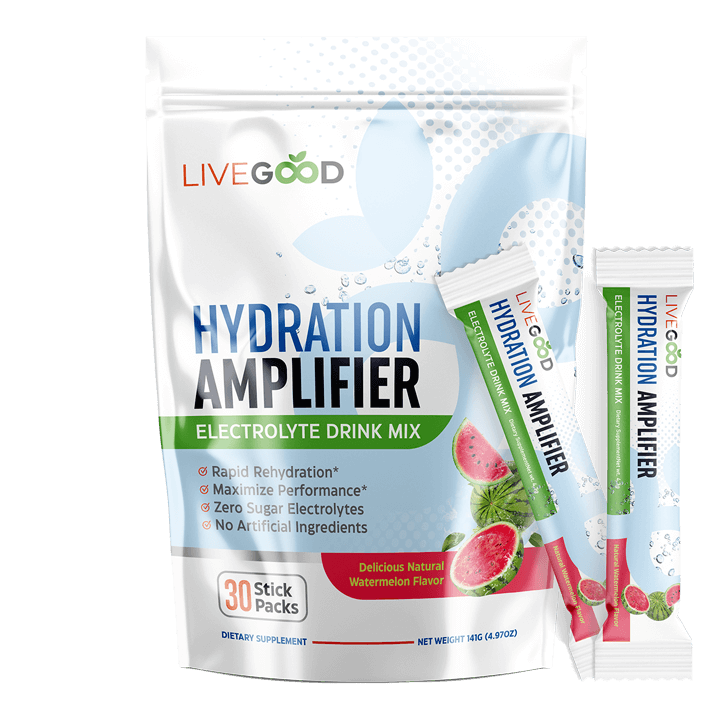
One optional product example is LiveGood Hydration Amplifier. I include it because it is portable, simple to mix, and positioned as an electrolyte drink mix without relying on sugary or high-calorie drinks.
According to the product information, each bag includes 30 stick packs, and the directions say to mix 1 stick with 16 oz of water. Flavor options include Watermelon and Lemonade. Always check the current product page before ordering because details can change.
Hydration Amplifier
A stick-pack electrolyte drink mix for people comparing a low-sugar hydration option to mix with water. Best viewed as routine electrolyte support, not a treatment for dehydration, fatigue, heat illness, or performance problems.
Check the current product page for latest pricing, availability, and label details.
What it may help support
- Electrolyte intake during higher-sweat routines
- A low-sugar drink option mixed with water
- Hydration routine consistency
- Travel, workouts, hot weather, or busy days
Safety reminder
- Plain water remains the foundation
- Some people do not need electrolytes daily
- Ask first if you manage sodium, potassium, kidney health, heart health, blood pressure, or fluid intake
Label highlights
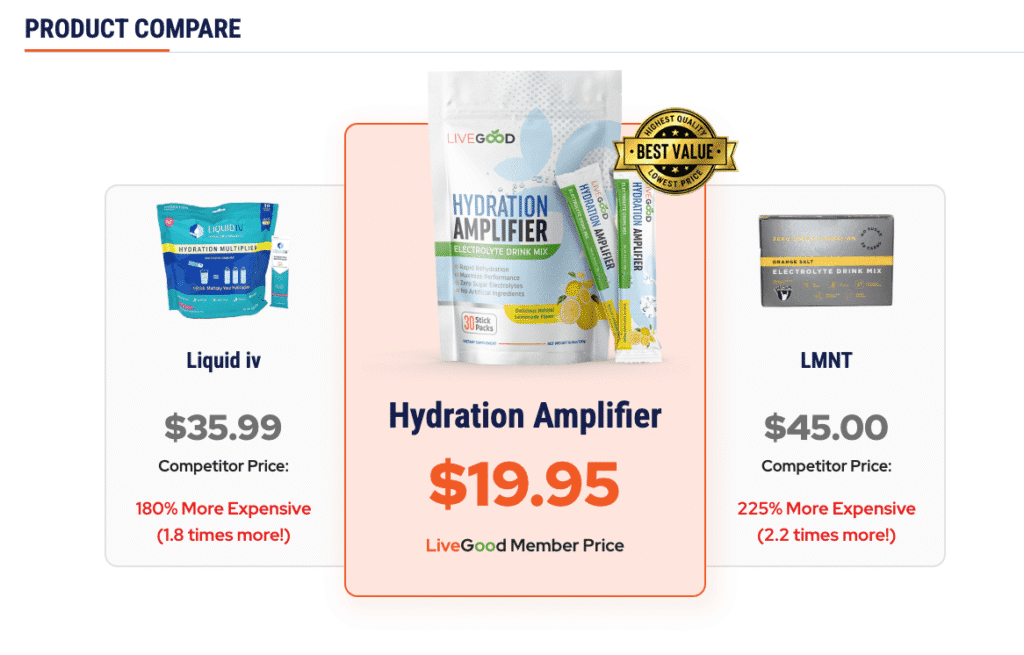
Price comparison snapshot
Disclosure: This section contains affiliate links. If you purchase through them, I may earn a commission at no extra cost to you.
Optional Product Notes
Electrolyte products may be useful in certain situations, such as longer workouts, hot weather, heavy sweating, outdoor work, or travel. They are not automatically needed every day, and they are not appropriate for everyone.
What I like about this example is the combination of convenience, electrolyte content, low-sugar positioning, stick-pack format, and price. I would think of it as a hydration tool, not a magic drink.
Helpful guide: Start Here: How We Evaluate LiveGood Supplements
Learn More
For more simple nutrition guides, wellness education, and product information, visit LiveGoodForLife.com.
Sources & References
- National Academies of Medicine. Dietary Reference Intakes for Water, Potassium, Sodium, Chloride, and Sulfate. nationalacademies.org
- Harvard T.H. Chan School of Public Health. Water. nutritionsource.hsph.harvard.edu
- Mayo Clinic. Water: How Much Should You Drink Every Day? mayoclinic.org
- CDC. Water and Healthier Drinks. cdc.gov
- NHS. Water, Drinks and Nutrition. nhs.uk
- Ganio MS, et al. Mild dehydration impairs cognitive performance and mood of men. British Journal of Nutrition. 2011;106(10):1535–1543.
- Hooton TM, et al. Effect of Increased Daily Water Intake in Premenopausal Women with Recurrent Urinary Tract Infections. JAMA Internal Medicine. 2018;178(11):1509–1515.
- Stookey JD, et al. Drinking Water Is Associated with Weight Loss in Overweight Dieting Women Independent of Diet and Activity. Obesity. 2008;16(11):2481–2488.
- NIH News in Health. Hydrating for Health. newsinhealth.nih.gov
Disclaimer
This content is for informational and educational purposes only and is not medical advice. Results may vary. Foods, drinks, and dietary supplements are not intended to diagnose, treat, cure, or prevent any disease. Always consult your doctor, registered dietitian, pharmacist, or qualified healthcare professional before making changes to your diet, hydration habits, supplement routine, or exercise plan, especially if you have kidney disease, heart failure, liver disease, blood pressure concerns, diabetes, are pregnant or nursing, take medication, have been advised to limit fluids or sodium, or have ongoing symptoms. This post may contain affiliate links, which means I may earn a commission at no extra cost to you.